
Mason Elephant Park in Bali has issued a formal response to a recent article published by news.com.au that alleges unethical treatment of elephants at the park.
The park categorically denies the claims and asserts that the article relied primarily on unverified information supplied by the People for the Ethical Treatment of Animals organization (PETA) without conducting independent reporting or direct outreach to the park prior to publication.
Despite the article’s assertion that Mason Elephant Park was contacted for comment, the park confirms no one was contacted for the story by email, phone, or in person. Park representatives add that the reporter did not visit the facility and based the story largely on PETA materials sourced online.
Mason Elephant Park also disputes the article’s reliance on PETA as a primary source, noting that no one from PETA inspected or visited the park.
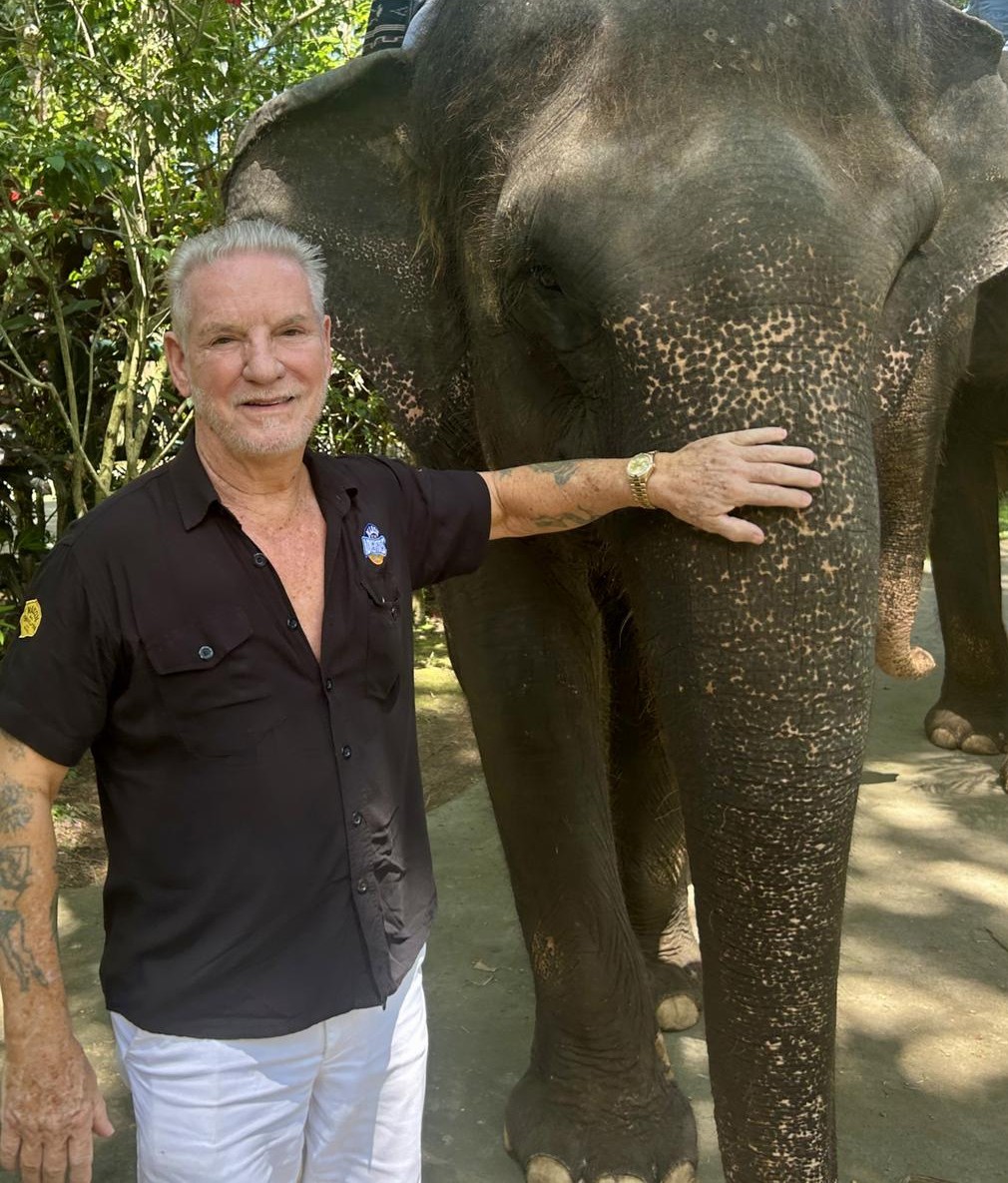
Nigel Mason, owner and founder of Mason Elephant Park, further challenges claims of employing an abusive contract elephant handler, saying that not only does this individual not exist, the park does not hire contract elephant handlers.
Mason adds that these allegations are inaccurate, misleading, and damaging. He emphasizes that the park maintains a zero-tolerance policy for abuse of animals or staff, and any employee found mistreating an elephant is immediately dismissed.
The park also raises serious concerns about the use of images and video footage presented in the article. Mason says some visuals originated outside Indonesia, which includes material filmed in Thailand more than 20 years ago, and were incorrectly associated with the facility.
Footage depicting harsh training tools, such as bullhooks and crushing devices, does not reflect practices used at Mason Elephant Park, Mason asserts. Such tools have never been used in Bali or at the facility.
Mason went on to clarify other aspects of the article including scars on elephants in PETA’s materials. Any scarring predates elephants’ arrival at the park and originated from prior conditions in Sumatra. Elephants born at the park show no scars or injuries related to abuse.
He also explained that tethering is used briefly and humanely for feeding and nighttime safety, with chains designed to prevent rope burn and injury.
Elephants at Mason Elephant Park receive regular veterinary care, including treatment for naturally occurring conditions such as abscesses and training methods are based on patience, repetition, and positive reinforcement, not force or punishment.
The park also addressed claims related to elephant rides, stating that rides are limited in duration, carefully managed, and designed to support elephants’ physical health, including digestion and muscle conditioning. Saddles used at the park are lightweight, padded, and suspended to prevent pressure on the elephant’s spine.
Mason Elephant Park clarified that it does not claim to be a sanctuary but rather operates as a rescue and conservation park.
Established nearly 29 years ago, the park was founded to rescue elephants displaced by deforestation, logging, and plantation expansion in Sumatra and other regions. Since its founding, the park has rescued numerous elephants and has successfully bred six elephants — a significant contribution given the rapid decline of wild Sumatran elephant populations. Several elephants at the park are now in their 60s, which far exceeds the average lifespan reported in government holding camps.
Mason proudly emphasizes that the park has a strong commitment to transparency and ethical animal care. He openly welcomes journalists, animal welfare experts, and the public to visit the facility and observe operations firsthand.
The park maintains that accurate reporting requires on-site verification, proper sourcing, and direct engagement, especially when publishing serious allegations that can impact conservation efforts, livelihoods, and public trust.
The park grounds, originally a barren rice field, have been transformed into a lush habitat with thousands of trees and multiple shaded areas. Located in central Bali at a higher, cooler elevation, the park provides a comfortable and shaded environment for its elephants.
Celebrity guests include Steve Irwin, Richard Branson, Jean Claude Van Damme, Kim Kardasian, David Beckham, Jessica Biel, Alica Keys, Tony Blair, Julia Roberts and Khalid.
Background on Nigel Mason
Nigel Mason is the founder of Mason Adventures (formerly Bali Adventure Tours) in Bali, one of Indonesia’s most established adventure-tourism companies.
Arriving in Bali in the early 1980s, Nigel became a key pioneer of the island’s adventure sector, launching one of Bali’s first white-water rafting operations and later expanding into cycling tours, jungle buggies, helicopter experiences, and luxury hospitality.
Together with his wife Yanie, he created the Mason Elephant Park & Lodge in Taro, now a well-known conservation-focused facility housing one of the largest herds of rescued Sumatran elephants in Indonesia.
Nigel is known for his hands-on leadership style, commitment to safety and quality, and long-standing advocacy for environmentally responsible tourism. Over four decades, he has built a family-run enterprise recognized for innovation, sustainability, and authentic Balinese cultural engagement.