

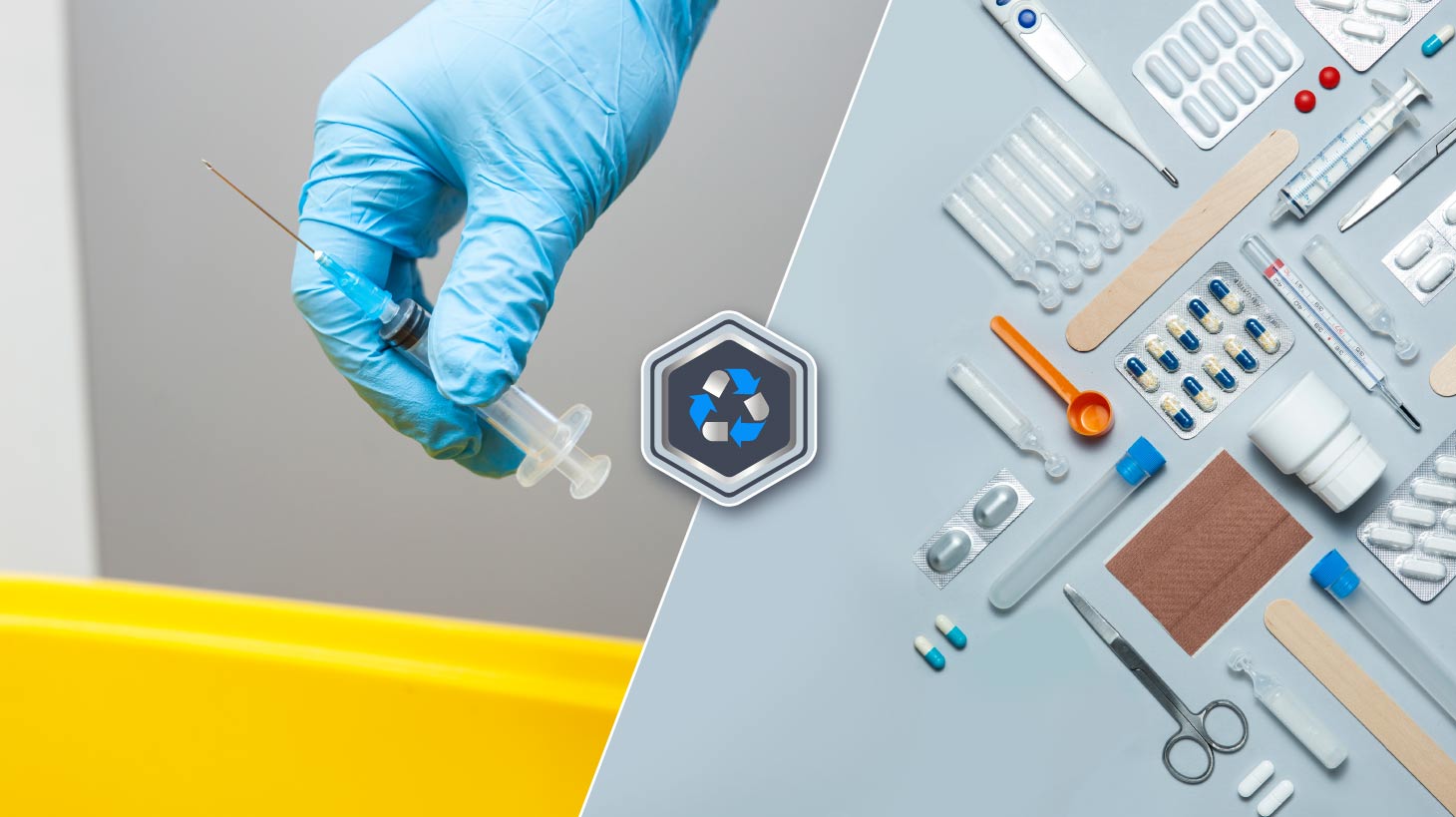
Proper medical waste disposal is extremely important in the healthcare industry. Not only does it maintain a safe environment, but it can also lower healthcare and energy costs with the help of waste-to-energy facilities. In order to keep up with medical waste, healthcare facilities should stay up-to-date on regulations and disposal procedures.
In the United States alone, healthcare facilities generate 6,600 metric tons of waste each day. This adds up to around 2-5 millions tons of waste per year. This waste can be divided into five main categories: regular trash, common medical trash, trace chemotherapy waste, pathological waste and pharmaceutical waste. Some of this waste is strictly regulated, such as sharps, biohazardous waste, pathological waste and cultures/laboratory waste. Roughly 15% of all medical waste is hazardous and requires special disposal.
Waste-to-energy facilities can process hazardous waste through two methods. The first method is steam autoclave, which utilizes moisture, heat and pressure to inactive microorganisms. Steam autoclave reaches temperatures of 3,200°F and a PSI of 80-85 and can treat 20-3,000 pounds of waste per cycle. This is the best disposal method for regulated medical waste, biohazards and sharps.
Incineration is the second option and is best for pharmaceutical waste, trace chemotherapy waste, pathology, hazardous drug disposal and chemical waste. Incineration involves burning waste in a controlled environment, breaking the waste into ash, carbon dioxide and water.
Another important scenario to consider is at-home medical waste. 30% of tasks currently completed in hospitals could shift to at-home within the next 2-3 years, resulting in more waste. Home-generated medical waste is much harder to regulate, and lapses are common; in fact, roughly 95% of household sharps end up loose and unprotected in the municipal waste stream. Disposal options for home-generated waste vary by state, but common options include drug takeback programs, community pick-up days and hazardous waste collection sites.
Everyone benefits from proper waste disposal. It reduces hazards in water sources, buildings and outdoor spaces, and waste-to-energy facilities can even create passive energy of up to ~500/600 kWh per ton of waste burned. Efficient waste disposal is a vital part of the healthcare industry, and should continue to be a priority.

Source: Amergy Disposal