
Commercial roofing is rarely a top priority for businesses, even though it helps protect a business’s assets, inventory, and employees. When replacement becomes necessary, they can be quite costly. These rising expenses are not random; they are shaped by a combination of variables such as market instability, roofing material and system selection, and maintenance decisions.
The ongoing volatility in construction materials is one of the major contributing factors to higher roofing costs in recent years. Many building materials have experienced a huge cost increase in the past five years, and it has noticeably impacted commercial product sales. However, rising material costs are not the only factors contributing to expensive commercial roof replacements.
Installation quality plays a critical role in determining how long a roof will last before needing to be replaced. Small errors during installation can introduce hidden vulnerabilities that may go unnoticed initially, but these weaknesses can quickly show themselves as moisture infiltration that damages insulation and structural components of the roof. The result can include compromised inventory and assets along with a roof that requires premature replacement.
The size of a commercial building can affect replacement costs as well. Roofing costs are often calculated on a per-square-foot basis, meaning larger facilities need significantly higher investments. So even mid-sized buildings can quickly accumulate high replacement costs, with larger warehouses reaching into the millions.
Roofing material selection is another critical factor that influences both initial costs and long-term value. Each roofing system comes with its unique advantages. Single-ply membranes such as thermoplastic polyolefin (TPO), ethylene propylene diene monomer (EPDM), and polyvinyl chloride (PVC) are commonly used for their balance of cost efficiency and durability. TPO is often chosen for its reflective properties and resistance to ultraviolet exposure. EPDM provides flexibility in extreme weather conditions and is puncture-resistant. PVC stands out for its strength and chemical resistance.
A built-up roof is known for its layered durability and excellent waterproofing. Standing seam metal roofing offers exceptional weather resistance and energy efficiency. The right choice depends on a variety of considerations, as each roofing option has distinct price points.
Installation methods also influence pricing since different systems require different application techniques, installation time, and expertise. Built-up roofing may involve hot asphalt or cold-applied adhesives, while single-ply systems can be installed using ballasted, mechanically, or fully adhered methods. Furthermore, unexpected issues uncovered during installation can cause change orders to be written up and increase expenses.
Industry-specific requirements add another layer of complexity to roof replacement costs. Certain facilities require roofing systems that complement their specific business operations. For instance, environments that produce grease or chemicals may require roofing materials with higher resistance to grease, oils, and chemical contaminants, while buildings that prioritize strong protection against the elements might want roofing materials that are durable in any weather condition. These specialized needs can influence both material selection and installation method, contributing to the overall roofing cost.
Obtaining the best insurance can significantly reduce costs and optimize premiums. Businesses that adopt a life cycle roof management strategy by scheduling regular inspections, cleaning drainage routinely, and seasonal maintenance tend to present lower risk profiles, which can lead to reduced premiums. Additionally, proactive maintenance—by addressing minor issues before they escalate—helps reduce the likelihood of major failures and costly emergency repairs associated with reactive maintenance.
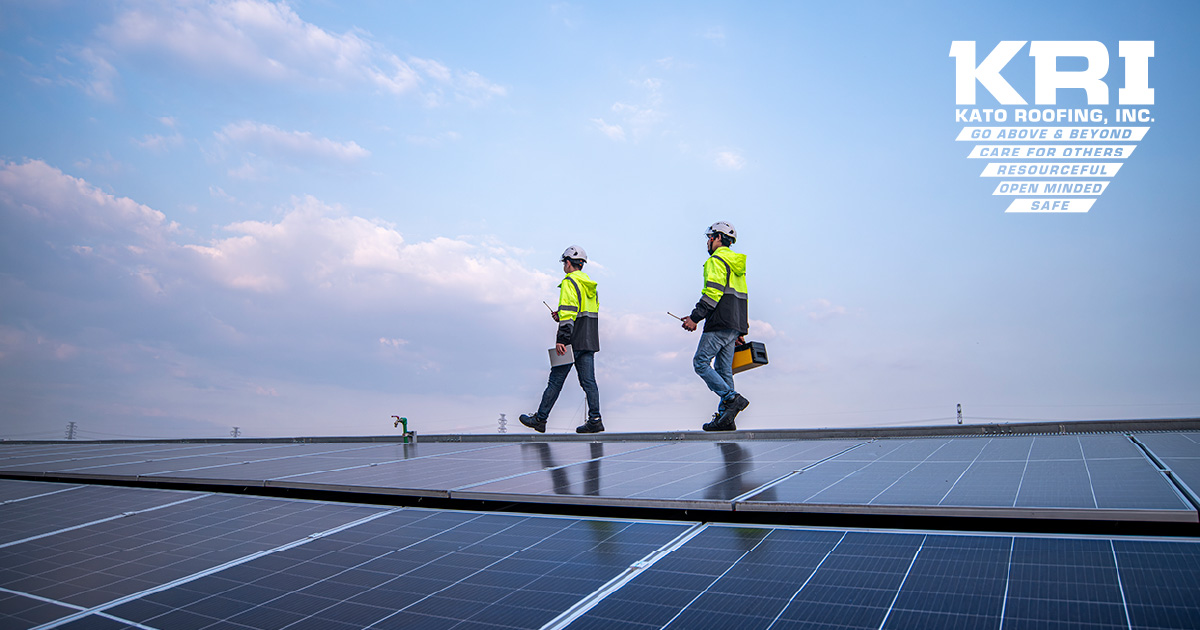
Another often-overlooked factor is the impact of work performed by other trades. Roofing systems can be compromised during installations or repairs involving HVAC units, plumbing, or solar panels if proper precautions are not taken. About 40% of roofing damage can be traced back to human error, especially when installs and checks are done by uncertified individuals. These issues can shorten the roof’s lifespan and contribute to increased repair and insurance expenses.
Good warranties can provide an additional layer of protection, but a bad commercial roofing warranty can actually lead to higher costs. Manufacturer warranties typically cover material defects or entire system coverage, while workmanship warranties typically fix issues related to the installation only. Securing both types of coverage from credible providers offers the best comprehensive protection, but it is also important to avoid voiding these roof warranties by making unnecessary modifications, obtaining services from uncertified contractors, or getting installations from elsewhere.
Commercial roofing replacements can become quite expensive due to factors that are both in and out of our control. Businesses that tend to their commercial roofing throughout the year are more likely to save costs while maximizing the value of their roofing systems.

Source: Kato Roofing