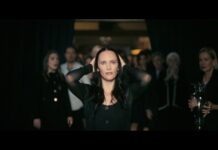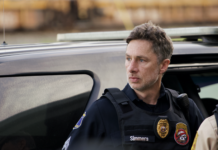

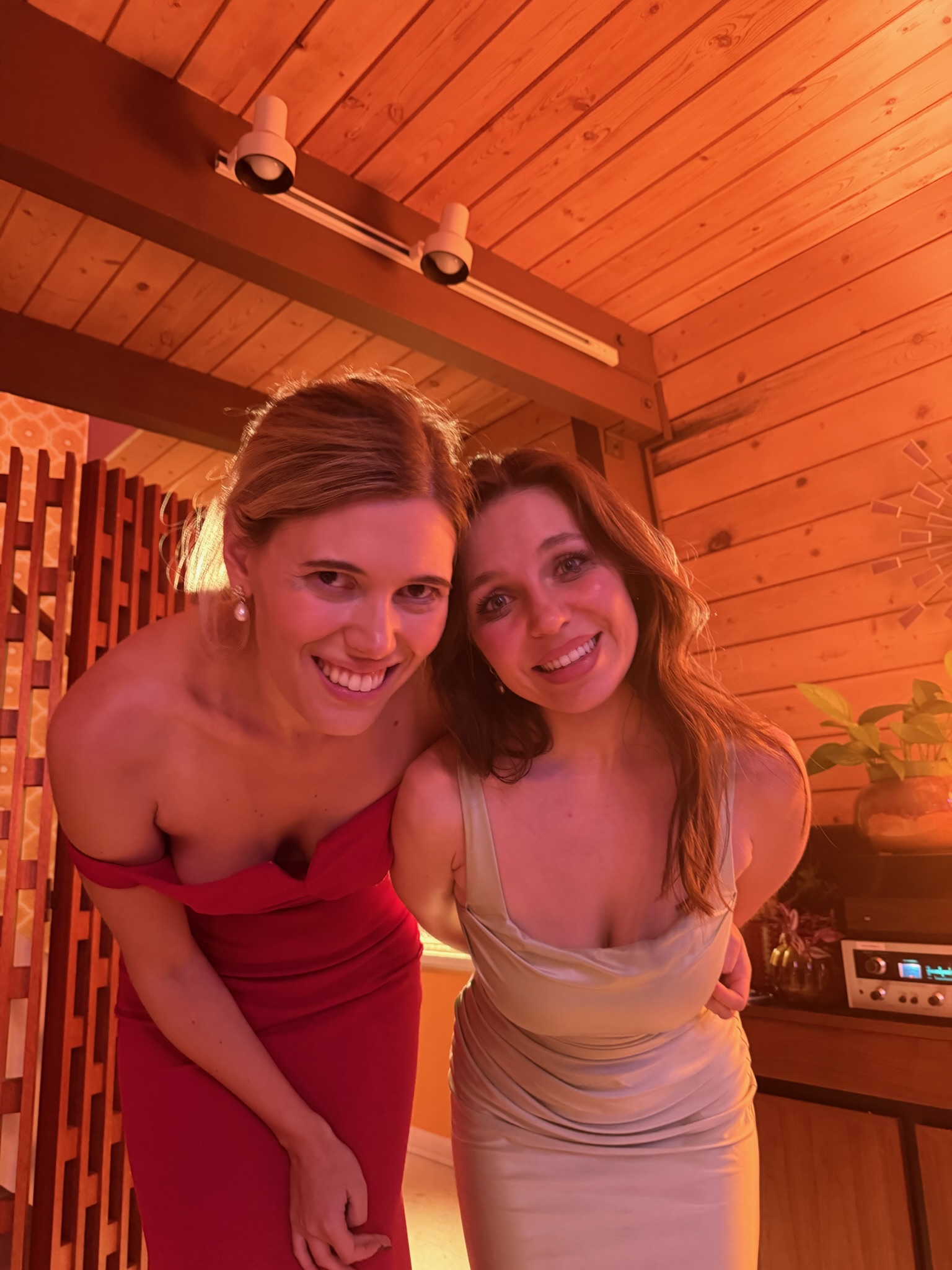
Bibi Lucille chatted with #Powerjournalist Markos Papadatos about the new Oscar Wilde feature adaptation “The Crime of Felicity Porter.”
Can you tell us about The Crime of Felicity Porter and what inspired you to adapt Oscar Wilde’s Lord Arthur Savile’s Crime for a contemporary audience?
It all started with my very own mother (Kim Salmons/author/academic/legend) and we were coming up with film ideas. She mentioned Oscar Wilde’s short novel Lord Arthur Savile’s Crime, and how it was the perfect neat story of a man who is told by a fortune teller that he is going to kill someone. No spoilers but it had the PERFECT twist and was genuinely surprised no one had adapted it before. So, on a ten hour plane ride four years ago, me and my best friend Bella Glanville started writing the story of four insufferable yet loveable Angelina’s who are told their fortune by the esteemed magician ‘Darren Maroon’.
What I love the most about this story is that it really dives into the human desire to control everything, especially when life has absolutely no intention of cooperating. Which is actually something I’ve experienced quite a lot as a producer!
As co-writer and co-producer, how have you approached reimagining Wilde’s original story, and what fresh perspective does your adaptation bring?
Bella and I decided to honour the core of the story – the exact plot line and the ambiguity around fate and self fulfilling prophecies. We also wanted to build on Wilde’s hilarious commentary of the bourgeoisie by layering his blanket of irony over Los Angeles excess. Plus, who doesn’t love to see rich people suffer?
The way we’ve modernised it has been by adding our own family guy-esque absurdist humour and really playing into the satire of social commentary. Our leads are caricatures of themselves whilst taking themselves completely seriously throughout the entire film. For them, this really is a matter of life or death.
You’ve built your career across acting, writing and producing. How has being a performer influenced the way you develop stories behind the camera?
Being a performer has truly been the foundation to my entire career. Firstly, the entire craft is based around empathy and having a deep understanding of all kinds of people – without holding judgement. Then writing just reignited my passion for storytelling and actually having creative control over the characters and plot (and writing female characters that aren’t just ‘the girlfriend’.
Producing has been a whole other beast. It’s a lot of problem solving, putting out fires and thinking something’s gonna be $50 to find out it’ll be $500. But I’m happy to do it if it means the story can come to life and that I can also make sure the cast and crew are happy and looked after.
What has been the biggest creative or professional challenge in bringing an independent feature film to life in Los Angeles?
The biggest challenge has for sure been money based. We’re building this from the ground up and it feels like money slips out your hands like water. The second and most hilarious challenge has been organising parking in Twin Peaks. PSA, THERE IS NO PARKING IN TWIN PEAKS. You have to really sweet talk one of the cafes into letting them use your parking lot. Especially with twenty extras.
As the founder of Hokum Studios, what motivated you to create your own projects and what kind of work do you want to champion?
I think at some point I realised that waiting for permission to make things was a very slow way to have a career. I love acting, but I also love writing and producing, and I didn’t want to spend my life sitting around hoping someone would decide I was allowed to work. And again… dear god I had to be free from being cast as The Girlfriend.
I also genuinely want to build a company that looks after creatives and tells original stories (dark comedy is my JAM). You come across so many talented people in this industry who just haven’t gotten lucky, so I hope to one day be that helping hand for them.
With your background in British theatre, including your West End experience and theatre training, how has moving from the UK to the American film industry shaped your artistic identity?
Moving to Los Angeles has been a huge adventure. I grew up working in British theatre, trained at and had the privilege of performing in the West End, so coming to America felt like opening an entirely new chapter. The thing that drew me to America is the incredible entrepreneurial spirit and the true appetite for ambition. The sky is the limit here and I’ve found there’s a lot less overall judgement about having big dreams – it’s actively ENCOURAGED. The thing that’s hard about being in LA is that the industry is truly shoved in your face every day and it’s easy to get lost in the bubble. So if you just remember to touch grass and not take yourself too seriously, this town can be amazing and you can meet some of the most wonderful people.
What do you hope audiences take away from The Crime of Felicity Porter, and what are your ambitions for the future?
I hope audiences have a great time watching it, first and foremost. I love films that entertain you while sneakily getting under your skin, and I think Wilde’s work lends itself perfectly to that. I’d love the film to reach an international audience and find a home on a streaming platform, so people can discover it wherever they are.
My ambitions for the future have definitely changed since moving to LA. Since filming, I realised I would be perfectly happy working with this exact group of people making more and more projects (and hopefully with higher and higher budgets…). I definitely want to keep creating my own work and doing so with an amazing team.
To learn more about Bibi Lucille, follow her on Instagram.