

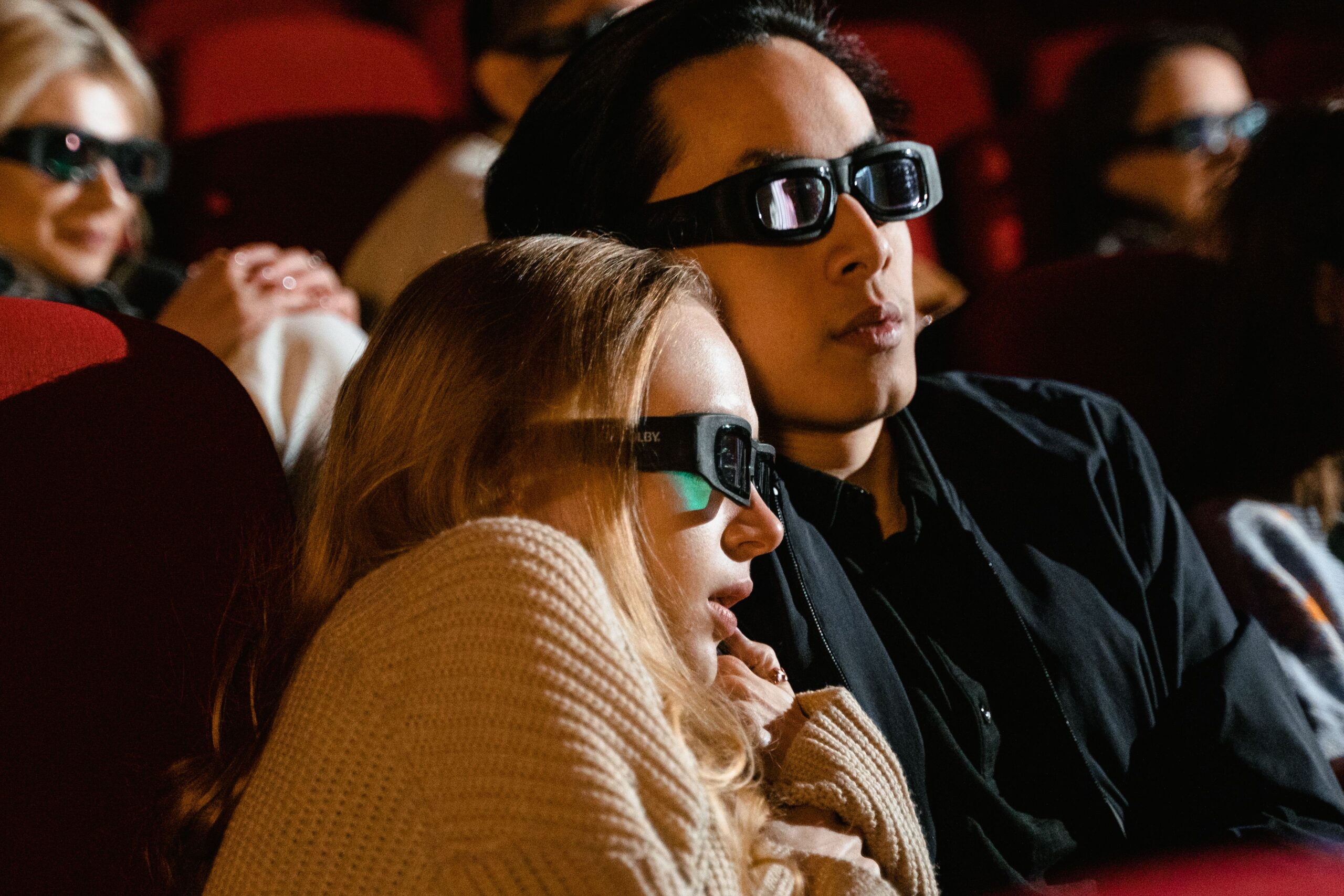
Going to the movies is always a fun escape, but there’s something truly magical about stepping entirely into another world. Over the years, filmmakers have pushed the boundaries of visual technology to make audiences feel like they’re part of the story rather than just passive observers. When done right, 3D filmmaking transforms a standard viewing experience into a deeply immersive journey. The screen seems to disappear, pulling you right into the setting of the film. To get the most out of these visual marvels, you just need a comfortable pair of 3D glasses and a screen capable of handling the depth, but not all films use this technology effectively. Some add it as an afterthought, resulting in a dark and muddy picture. Others, however, are built from the ground up with stereoscopic vision in mind, using spatial depth to enhance the storytelling and elevate the emotional impact. Here’s a look at the cinematic masterpieces you simply must watch in their intended multidimensional format.
Avatar and Avatar: The Way of Water
When discussing films that revolutionized spatial technology, James Cameron’s science fiction epic Avatar is always the starting point. Released in 2009, this film changed the industry standard for visual effects. Cameron waited years for camera technology to catch up to his vision, resulting in a breathtaking journey to the lush moon of Pandora. Instead of relying on cheap tricks where objects fly toward the audience, the depth creates a vast, living ecosystem. You feel the distance between the towering trees and the floating mountains. The sequel, Avatar: The Way of Water, took this concept further by applying the technology to underwater environments. The fluid dynamics and scale of the oceans are mesmerizing. Watching these films in standard format strips away a vital layer of world-building. The 3D formatting is the true lens through which Pandora is meant to be explored.
Gravity
Space is a difficult environment to capture on film because it lacks traditional perspective. Alfonso Cuarón solved this brilliantly with Gravity. The film follows astronauts stranded in orbit after a debris strike destroys their shuttle. By utilizing 3D technology, Cuarón emphasizes the terrifying emptiness of space. The format creates a stark contrast between the claustrophobic spacesuits and the endless void surrounding the characters. As debris silently hurtles toward the screen and the astronauts spin out of control, the depth of field makes you feel the panic right alongside them. It’s an intense experience that relies on depth to convey isolation and vulnerability in a way standard formats simply can’t match.
Life of Pi
Director Ang Lee took a different approach with Life of Pi, proving this format isn’t just for blockbusters or science fiction. The story of a boy stranded on a lifeboat with a Bengal tiger is a visually stunning fable. Lee uses multidimensional space to blur the lines between reality and imagination. The surface of the ocean becomes a mirror, reflecting the sky and creating an illusion of infinite space stretching in every direction. One striking scene involves a swarm of flying fish breaking the surface of the water, a moment that feels beautifully chaotic with the added spatial depth. Another sequence features a glowing, bioluminescent whale breaching the calm ocean. The carefully layered visuals make the film feel like a painting brought to life, offering a dreamlike quality that falls flat on a traditional screen.
Hugo
Many were surprised when director Martin Scorsese chose to shoot Hugo using stereoscopic cameras, but he quickly proved he understood the medium. Set in a 1930s Paris railway station, the film follows an orphan who maintains the station’s clocks. Scorsese uses the added dimension to turn the station into a bustling diorama. As the camera sweeps through the crowds, the steam from the trains, and the winding gears of the clockwork mechanisms, you feel the mechanical precision of the environment. The depth isn’t used for spectacle; it pulls you into the dusty, hidden corners of the boy’s world. The gears of the automaton at the center of the story feel tactile and real. It’s a heartfelt love letter to the early days of cinema, and the formatting bridges the gap between old-world charm and modern innovation.
Spider-Man: Into the Spider-Verse
Animation naturally lends itself well to visual experimentation, and Spider-Man: Into the Spider-Verse shattered expectations of what a comic book movie could look like. The creators combined computer-generated imagery with traditional hand-drawn techniques to mimic the look of a printed comic. When you add depth to this unique art style, the result is spectacular. The foreground characters pop against the stylized backgrounds, and the action sequences burst with kinetic energy. The spatial separation of the vibrant colors and the halftone dot patterns makes you feel like you’re flipping through the pages of a graphic novel. The dynamic leaps through the dizzying heights of the New York City skyline induce a sense of vertigo that’s uniquely thrilling. The format enhances the frenetic energy of the animation perfectly.
Experiencing the Magic
The true magic of multidimensional cinema lies in its ability to transport you. It isn’t just about things jumping out of the screen; it’s about drawing you into a carefully crafted universe. These films prove that when visionary directors embrace spatial technology as a storytelling tool rather than a gimmick, the results are unforgettable. Seeking out these specific movies in their intended format is incredibly rewarding. It changes how you perceive the characters, the environments, and the emotional weight of the story. Dim the lights, put on your glasses, and let these incredible cinematic worlds completely surround you.