
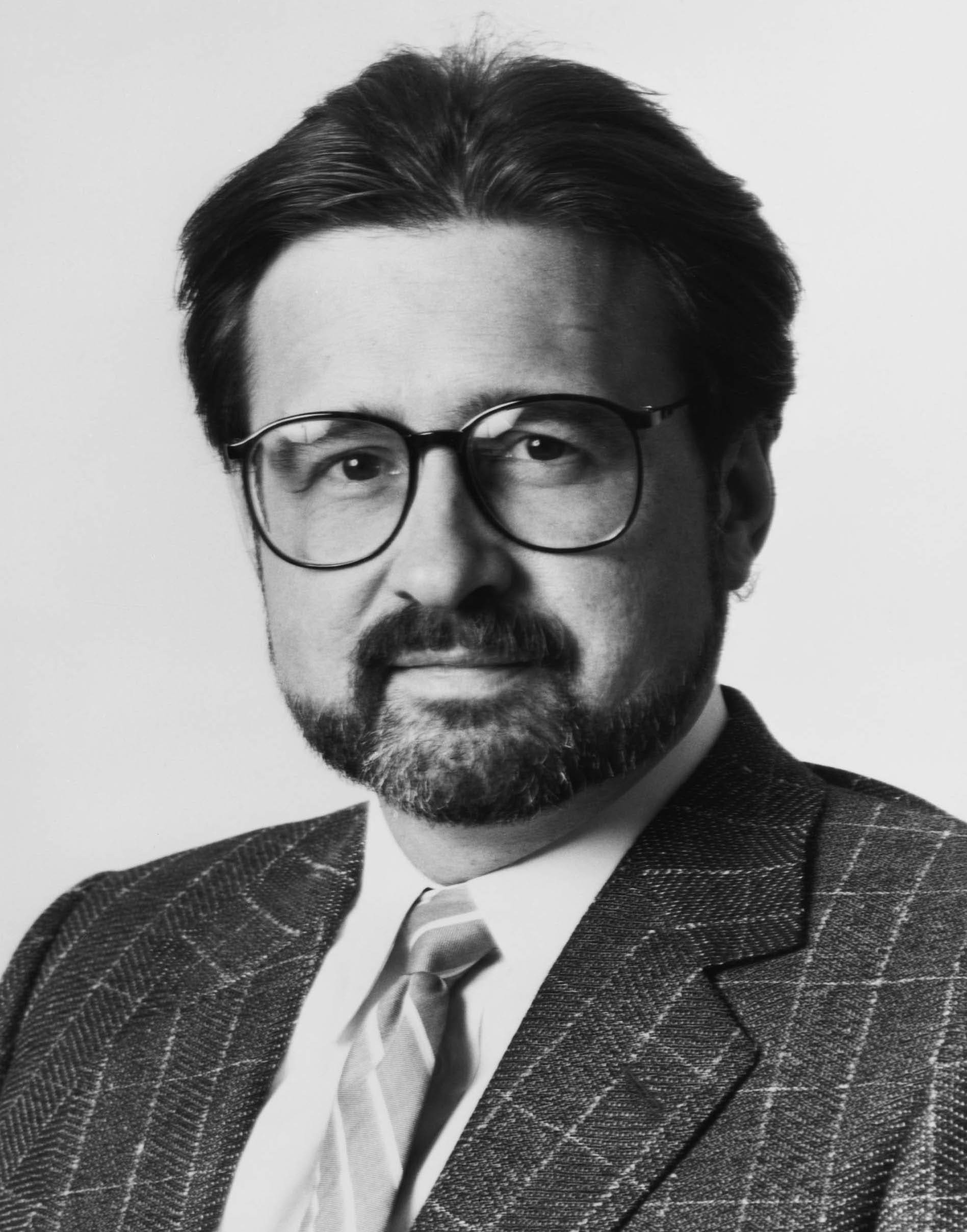
Peter Hoffman chatted with #Powerjournalist Markos Papadatos about his new book “Karmic Winds: Reflections from the “Smartest Guy in Hollywood.”
What inspires you to write this book?
I was convicted of a crime I did not commit and sentenced to eight months in federal prison. My former law partner and friends encouraged me to write this memoir while in prison to reflect on my life and the injustice done to me. As I think a therapeutic process, which it turned out to be. As I dove into the process, the reflections themselves became a liberating experience and allowed me to live through even this injustice as a beautiful process. As I quote Dolly Parton, “Everything is beautiful in its own way.”
What was your favorite part of your writing process?
My favorite part of the process was to find the language and tone to express my feelings about the events of my life, including the absurdity of my conviction for a crime that I didn’t commit in seeking tax credits to which my company was entitled. So much of my life was engaged with the creative processes of others and even myself and so finding that creative process to express the events of my life became a very fulfilling experience. And a way to both come to grips with and indeed (as I end the Memoir) to love my fate.
What did this book teach you about yourself?
This is a hard question to answer and perhaps can only be answered by the tone and style of the memoir itself. No doubt I had throughout my life and again experienced an overconfidence in my intelligence and abilities that in turn overcame what might have been a higher sense of caution in business and creative matters.
To quote Davy Crockett, “Be sure you’re right than go ahead.” Sounds more confident than one perhaps should be. Sadly, we can never be entirely confident that we can predict the consequences of our decisions, both those that are knowable (but viewed as unlikely or risks worth taking) or entirely an “unknown unknown” to quote a discredited politician. So I guess I learned that I was a risk taker based on my own desires and evaluations, sure I was right even when I hadn’t completely evaluated or understood the risks I was taking.
How does it feel to be an author in the digital age?
I love writing and expressing myself in language, digital or otherwise. Being in prison while writing my memoir, I was in the analog age writing in pen.
My daughters typed the digital versions I later amended. But however the words and ideas were transmitted, I was focused on the meaning and form of expression of my language, not the method with which I wrote both down.
What do your plans for the future include?
I intend to restart my career in the film business and am starting with the release of perhaps the greatest film I have been involved with, The Master and Margarita, reflecting my obsession with Russia, its culture and history. And getting back in business with producer Elie Samaha in two important theaters in Hollywood, the Dolby Theatre and the Chinese Theatre. We have several films in process including two other films ready for release soon.
Were there any moments in your career that have helped define you?
Many, many moments! Making a big contribution to resolving the many issues regarding the early Superman films, resolving the rights situation on Terminator II, and now regarding rights issues concerning The Master and Margarita.
My website lists over 50 films for which I made a substantial contribution to production or release. I am proud of them all. And in the record business as well. The incredible aspect of working in the entertainment business is the product of your work, which has a lasting value. These films are a permanent contribution of my work of which I am very, very proud.
What is your advice for young and emerging authors?
My advice is to young filmmakers — Film making is first and foremost a craft. The art derives from a deep knowledge of the craft, “the mise en scene” as the French call it. From “the mise en scene,” a filmmaker will create metonyms, small pieces of a deeper symbolism and human reality, which take on the larger meaning of a great film, not with didactic proselytizing but with simpler human interaction – that says something simple but yet elevates to so much more.
What does the word success mean to you? (My favorite question)
Success! As Dylan wrote, “there is no success like failure and failure is no success at all. “ In my (perhaps) ironic view, the last objective in filmmaking is “success.”
Producer Dan Melnick gave me a pillow that I have kept for 25 years which read, “Commercial success is accidental. Artistic success is intentional.” And yet we cannot make films for millions of dollars without consideration of the commercial consequences of the investment. And nor can we, as I was fond of saying, make movies only for the weekend of initial release (yet cannot ignore that central reality).
The central contradiction in this business is that we make films for a wide audience and yet fail if we endeavor only to replicate the success of other films. Great filmmakers have a vision, a “conceit” as it were, that can be shown in a scene into which action is placed. And as John Ford, famously and sarcastically said, “The purpose of a scene is to lead to the next.”
Spielberg focuses on this idea of “continuity” as the key and I think he is right. Success is brilliant continuity, not a “three act structure,” but a fractured reality where time and space take on new continuity: transitions that are dramatic, story-driven and time-place continuous.
What would you like to say to our readers about your new book? (What’s the one thing you want them to get out of it)
My memoir is designed to find meaning in all the best that happened to me and, yes, the worst injustice. And in that meaning, as Dolly says, “Everything is beautiful in its own way.”
Even if the horror of my conviction for something I didn’t do, for providing exactly the benefit the state program was designed to produce, there were moments of beauty and truth that stay with me.
And the support of so many friends and colleagues who never doubted me, who were there to support me as they could.
And, yes, meaning even in injustice which deepens and broadens my experience of life. In many ways, the injustice to me is minor, much less so than others I met at Terminal Island and whose life experiences I learned. The experience of humility is its own benefit and reality, however unjust it may be.
His new book ‘Karmic Winds: Reflections from the Smartest Guy in Hollywood’ is available on Amazon by clicking here.