

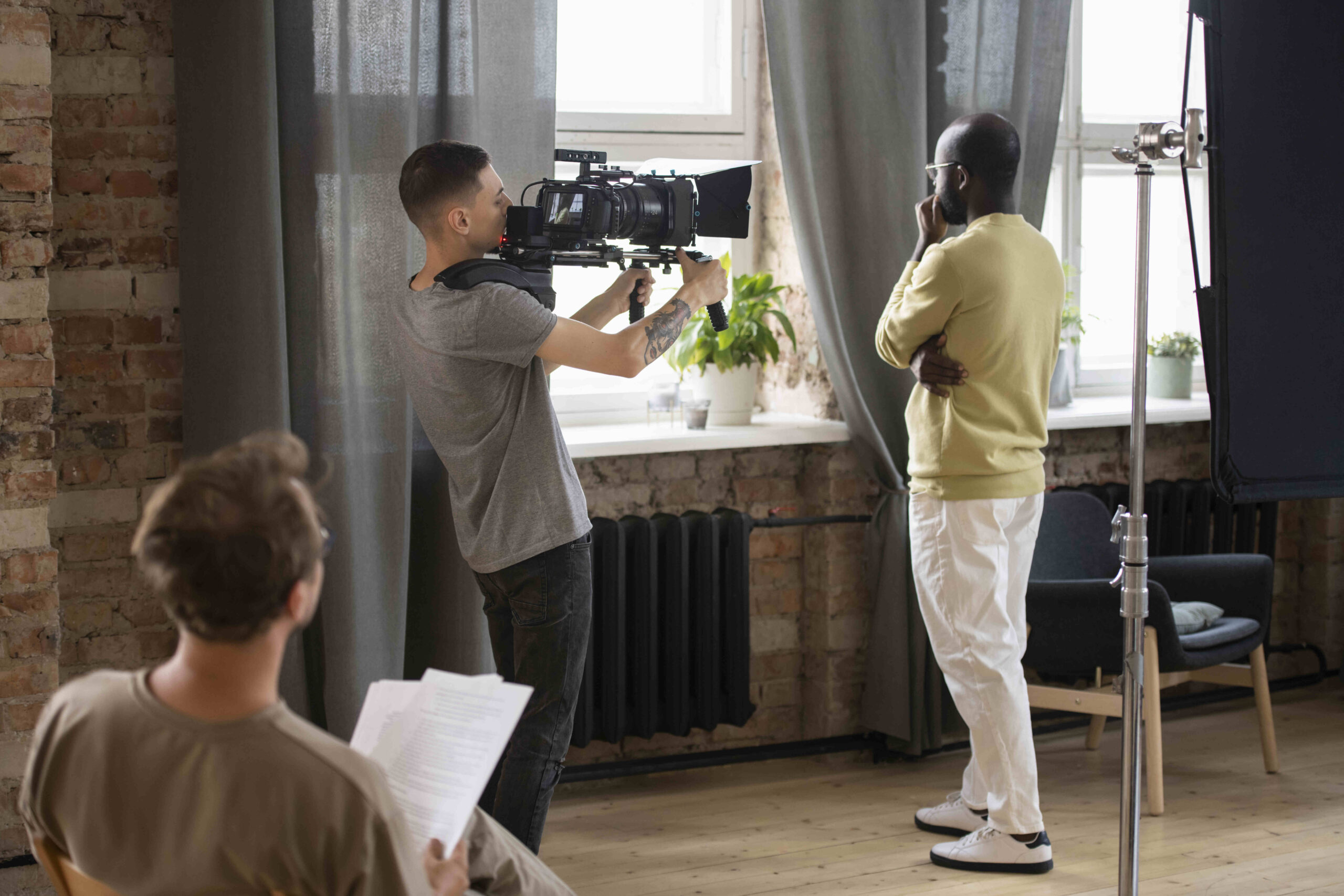
When you think about a bustling movie set, your mind goes to the high-tech gear. You picture towering cranes, expensive camera lenses, and bright LED panels. It’s easy to assume everything holding a film production together is made of solid steel or advanced electronics. However, an entire world of soft goods operates behind the scenes to keep the set safe and functional. From the bags that protect the cameras to the large overhead fabrics that diffuse sunlight, textiles are the unsung heroes of the grip and lighting departments. None of these essential tools would survive a single day of production without commercial sewing thread. The thread used to manufacture this gear is engineered to endure intense strain, extreme weather, and constant physical abuse. Let’s look at how industrial stitching makes modern filmmaking possible.
Anchoring the Set with Sandbags
The most common piece of fabric equipment on any set is the humble sandbag. Lighting technicians use C-stands to hold expensive lights high in the air, creating a serious tipping hazard. To keep everything anchored to the ground, they drape rugged sandbags over the legs of every stand. These bags take an unbelievable amount of abuse. They’re tossed into production trucks, dragged across concrete floors, and left in the pouring rain.
To survive this treatment, manufacturers use specialized fabrics like Cordura nylon, but the fabric is only as strong as its seams. If a seam tears, the bag becomes useless and creates a dangerous mess. Industrial thread provides the high tensile strength needed to hold twenty or thirty pounds of shifting sand securely in place. The stitching must remain intact despite constant lifting and dropping, ensuring the expensive lights stay exactly where they belong.
Controlling the Light
Cameras capture what the lighting allows, which is why directors of photography spend so much time shaping light. To soften harsh sunlight or block an unwanted streetlamp, grips use fabric tools known as flags, silks, and scrims. These are essentially metal frames wrapped in specific types of cloth. For larger exterior shots, crews stretch enormous fabrics, called butterfly rags, over giant overhead frames.
Manufacturing these light modifiers requires incredible precision. The thread binding the edges of a twenty-foot silk must hold the fabric taut under high wind conditions without tearing the delicate diffusion material. When creating solid black flags to block light, the stitching itself can’t allow any light leaks. Manufacturers use durable thread to bind the edges, creating a solid barrier that helps the lighting crew paint the scene exactly how the director envisions it.
Protecting the Camera Payload
A fully rigged cinema camera can easily cost more than a luxury sports car. When a production moves from a studio to a remote location, transporting that gear safely is a top priority. Camera assistants rely on thickly padded soft cases to move lenses, monitors, and camera bodies. Unlike hard plastic cases, soft bags are flexible and easier to squeeze into crowded camera trucks.
These transport bags are constructed with thick layers of foam sandwiched between layers of ballistic nylon. Joining these materials requires specialized industrial sewing machines and incredibly strong thread. The handles and shoulder straps are the most vulnerable points. If the stitching on a shoulder strap fails while someone carries a bag full of lenses, the financial loss is catastrophic. Using industrial-grade thread ensures these load-bearing seams never snap, providing the crew with peace of mind as they move their priceless cargo.
Wearable Gear for the Crew
The people working behind the camera need specialized gear just as much as the equipment does. Camera operators, sound mixers, and grips often wear custom harnesses, chest rigs, and tool belts to keep their hands free while working. A sound mixer might wear a chest harness that supports a recording console for twelve hours straight. A grip’s tool belt holds wrenches, tape, and tools that need to be instantly accessible.
The thread used in this wearable gear must be exceptionally durable while also resisting sweat and body heat. The stitching on a camera operator’s vest endures constant tension as they move, bend, and run alongside the actors. Manufacturers reinforce the stress points on these garments with bar-tack stitching, utilizing high-grade synthetic threads that won’t degrade when exposed to moisture or tension. This keeps the crew comfortable and ensures their tools stay securely attached to their bodies.
Weatherproofing the Production
Filmmaking doesn’t stop just because the weather turns bad. If a scene requires a torrential downpour, the crew brings in rain machines. If an actual storm rolls in during an outdoor shoot, the camera keeps rolling. To protect the electronic equipment from water damage, assistants use custom-fitted rain covers made from waterproof textiles.
Creating these protective covers is a complex sewing challenge. Every seam is a potential entry point for water. Manufacturers use specific types of synthetic thread that won’t wick moisture through the needle holes. In many cases, the seams are double-stitched and then sealed with waterproof tape. The thread has to withstand the tension of being stretched tightly over the camera body while resisting the degrading effects of constant moisture and UV ray exposure. It’s a small detail, but it’s the only thing standing between a dry camera and a ruined production day.
The Fabric of the Film Industry
We naturally praise the directors, actors, and engineers who design the latest 8K cameras. Yet, the entire production ecosystem relies on the durability of soft goods. From the sandbags holding the lights upright to the protective cases keeping the lenses safe, textiles are an invisible but foundational part of the filmmaking process. The next time you watch a behind-the-scenes documentary and see the crew bustling around the set, take a moment to notice the fabric gear they’re using. You’ll quickly realize that without high-quality industrial thread holding everything together, the magic of the movies simply couldn’t happen.