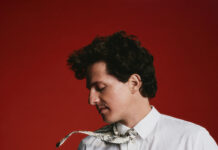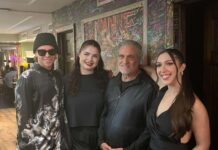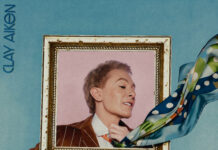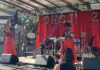

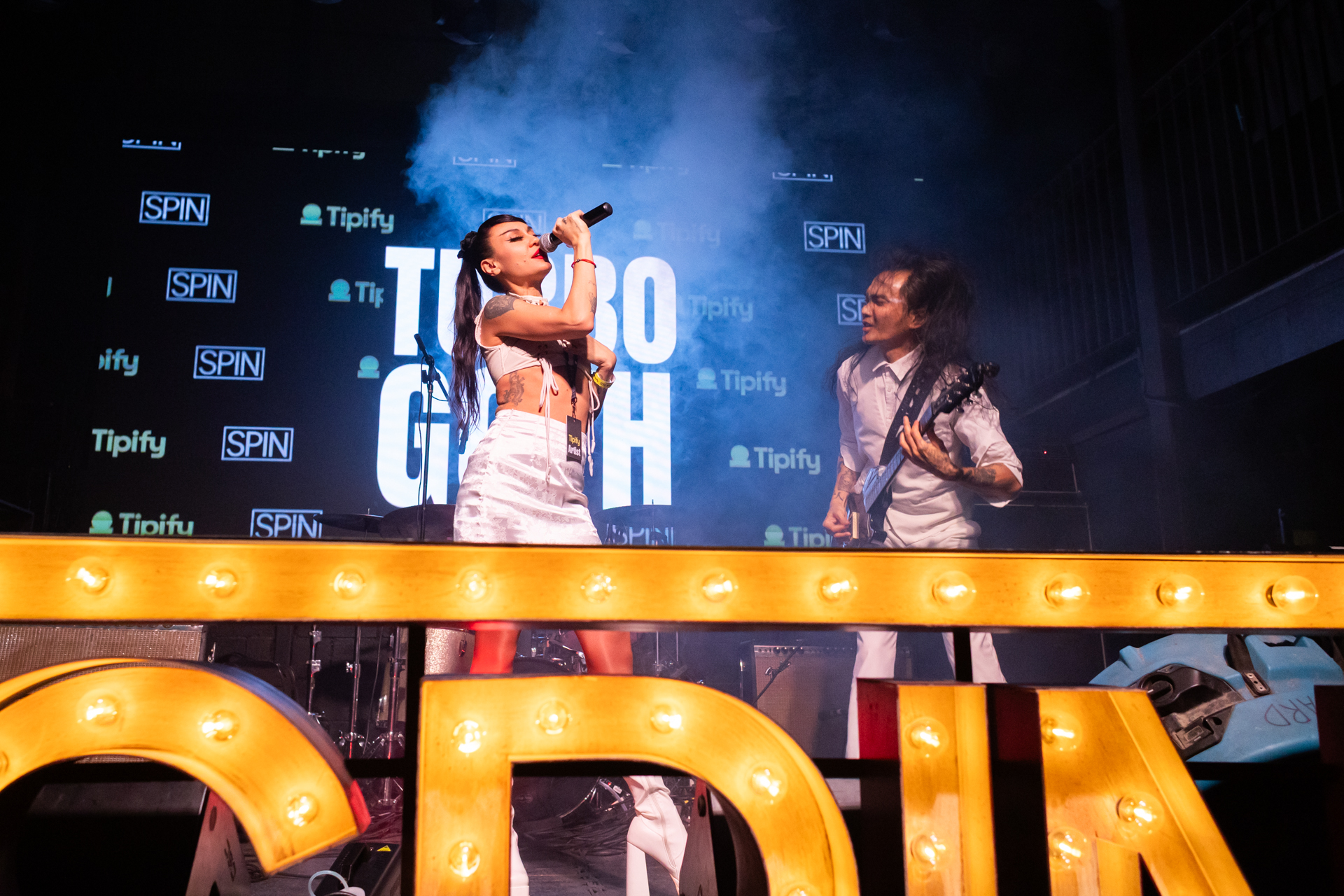
Every March, Austin undergoes a metamorphosis. For those who fuel the music scene 51 weeks a year, the “Live Music Capital” title can feel like a hollow slogan. This year at SXSW 2026, however, the ‘Road to Austin’ led to the SPIN x Tipify live music showcase, which stood as a defiant counter-narrative, prioritizing the people who actually keep the lights on in this town.
In addition to the live showcase, the Spin Magazine partnership included a dedicated Tipify x SPIN Lounge, an artist-focused hospitality and content space designed for interviews, conversations, acoustic moments, and community gathering throughout the day.
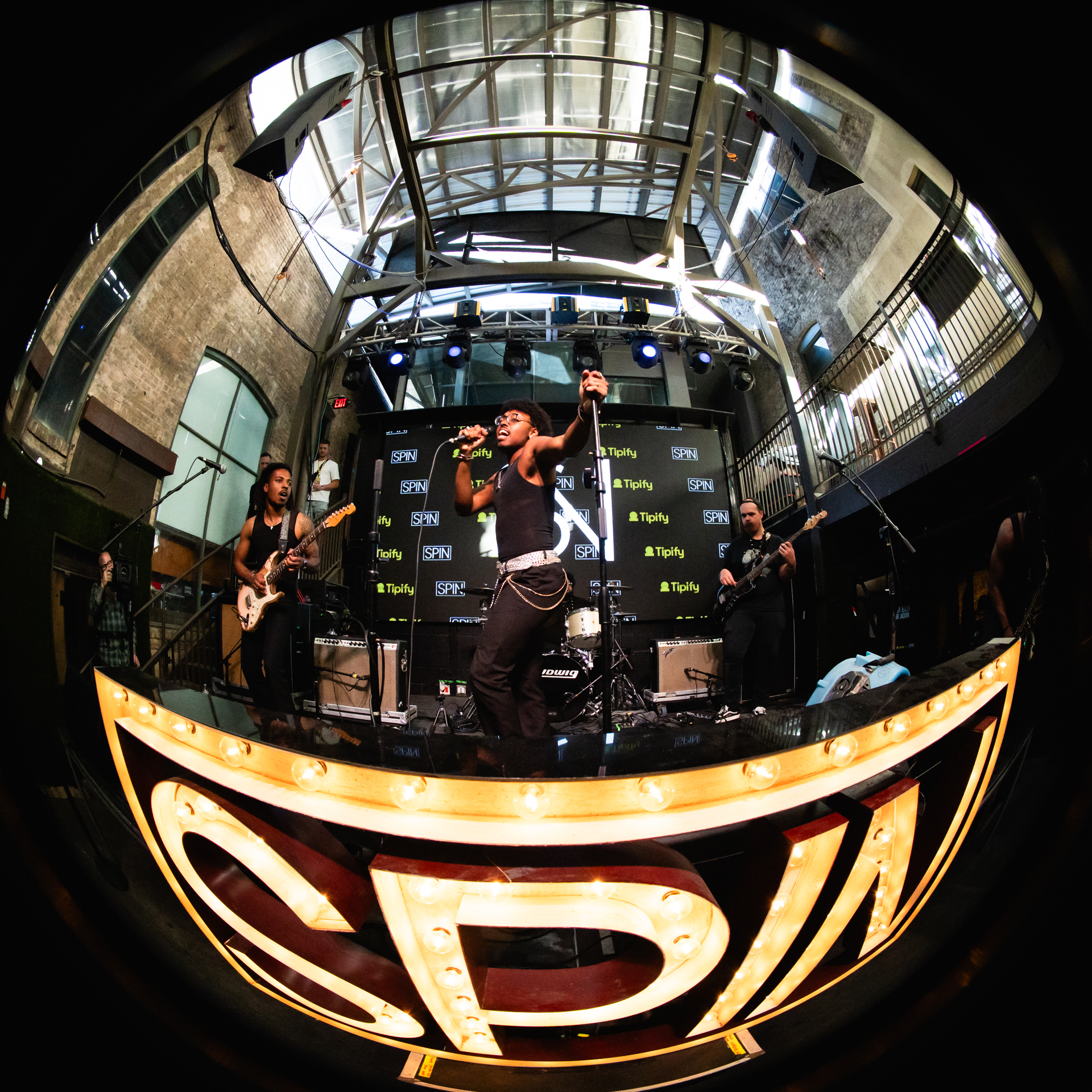
The Moment of the Night: Due to a perfect storm of Austin traffic and delayed flights, Buddy Red’s band was missing in action when his slot arrived. Rather than stall, Buddy took the stage alone. It was a rare, vulnerable performance that forced the SXSW crowd to lean in. When his band finally charged onto the stage mid-set, the transition from solo intimacy to a full-throttle blues-rock assault was met with a roar of applause that felt like the true start of the festival.
The Unplanned Magic of Buddy Red
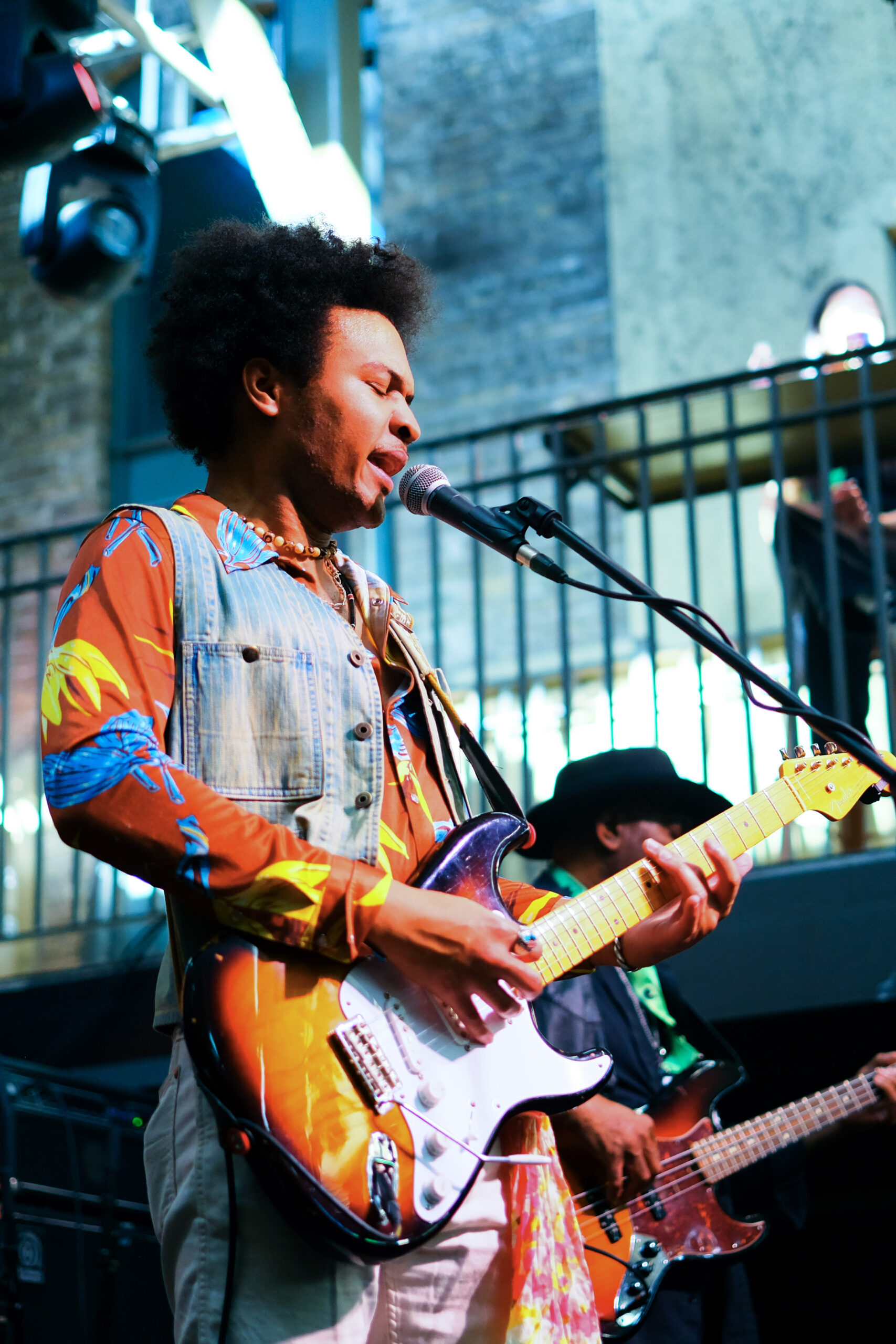
A guitar-shredding dynamo with a DIY soul. Buddy Red’s ability to command a room solo, then seamlessly pivot into a high-voltage band leader, proved that the rawest talent at SXSW often comes with the fewest bells and whistles.
Atlanta-based multi-instrumentalist and singer-songwriter Buddy Red is a rising force in blues-rock. Interestingly, he is the son of rapper T.I., but he’s carved out a completely different path as a “guitar-shredding dynamo” influenced by Pink Floyd and Jimi Hendrix. From his Live at Stubb’s debut to his SXSW 2026 run was a breakout moment, notably highlighted by his single “I Gotta Feelin’” where he plays every single instrument. That DIY spirit was on full display at the live showcase.
Due to the inevitable Austin traffic and a string of delayed flights, Buddy Red’s full band was nowhere to be found when his time slot hit. In a festival often governed by strict stage plots and digital syncs, most would have waited.
Buddy didn’t.
He took the stage alone, delivering a rare, stripped-back solo performance that felt like a private session in a crowded room. It was a masterclass in professional grit—until the moment the “vibe” shifted. As his band finally emerged from the wings, instruments in hand and breathless from the trek, the audience didn’t just watch; they erupted. The transition from solo intimacy to a full-throttle blues-rock assault was met with a roar of applause that set the tone for the entire night. It wasn’t just a performance; it was a victory lap for anyone who’s ever had to hustle to make the music happen.
American Vanity
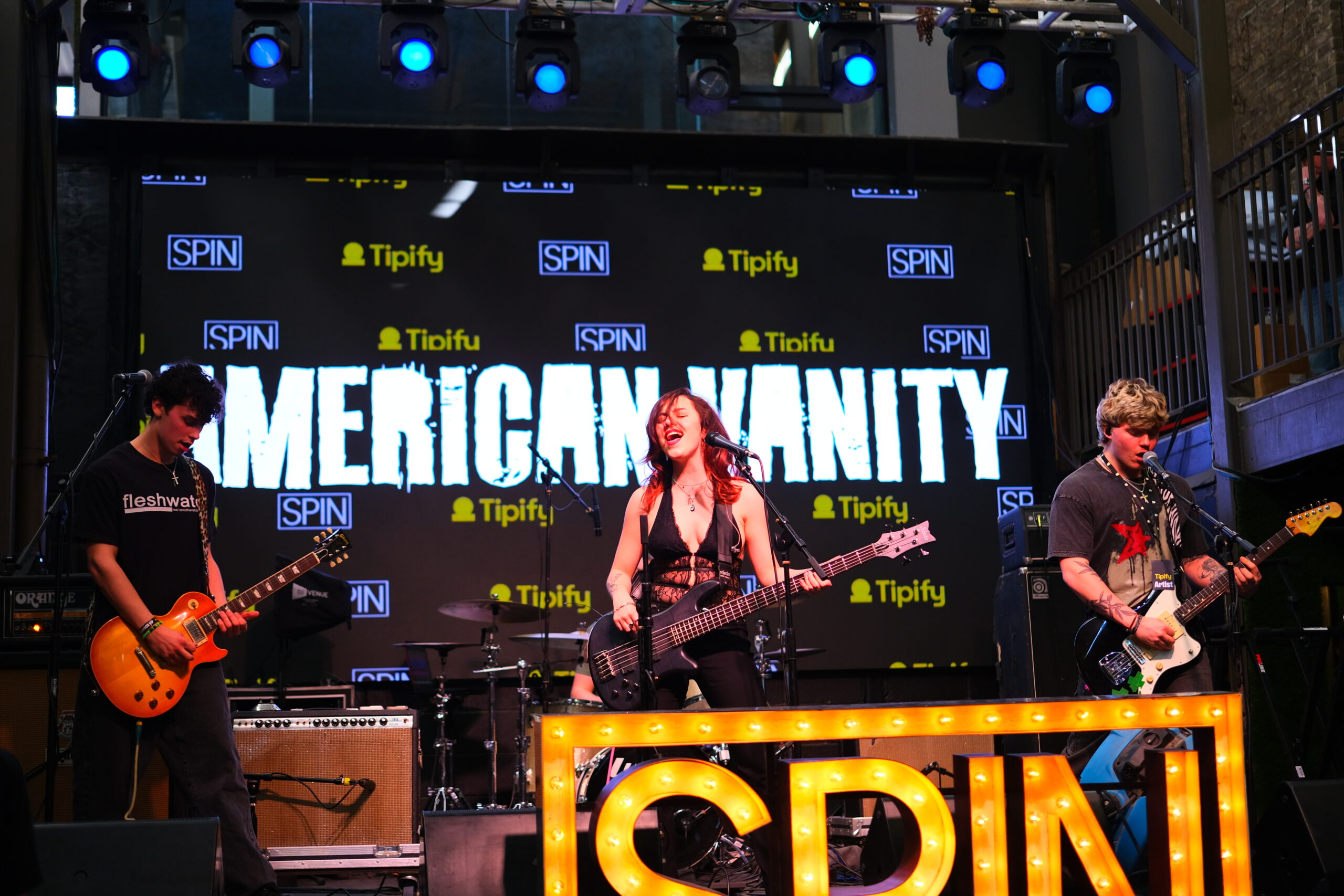
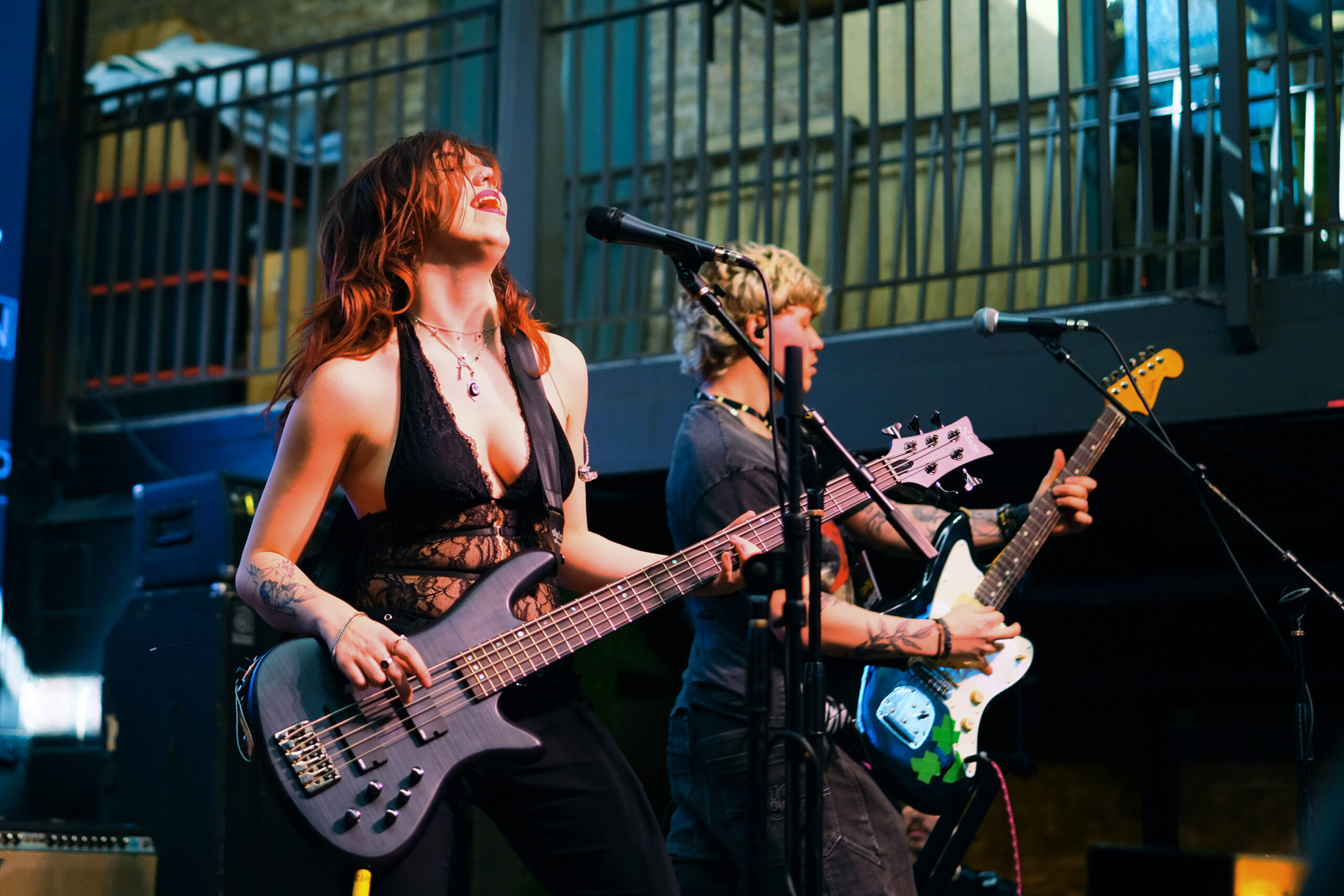
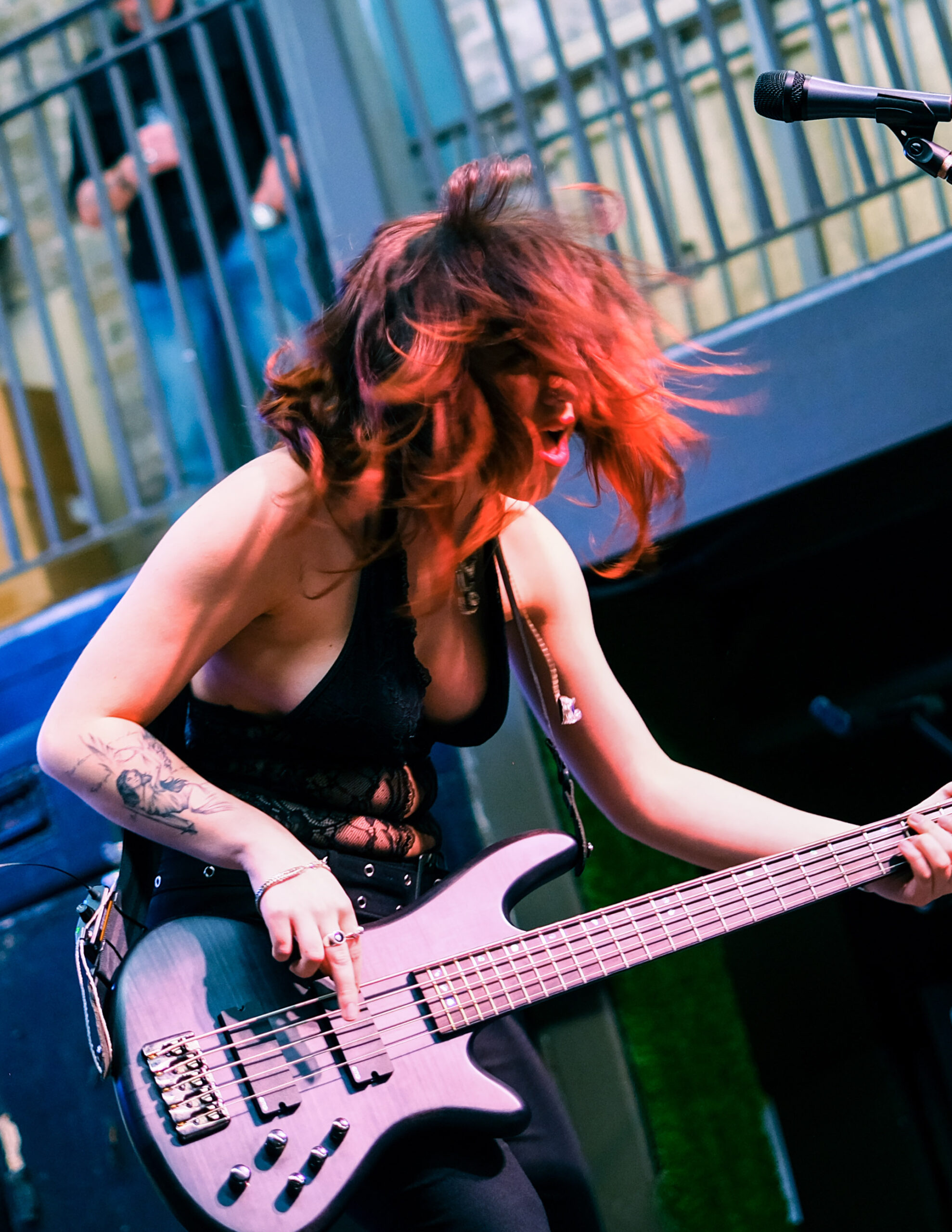
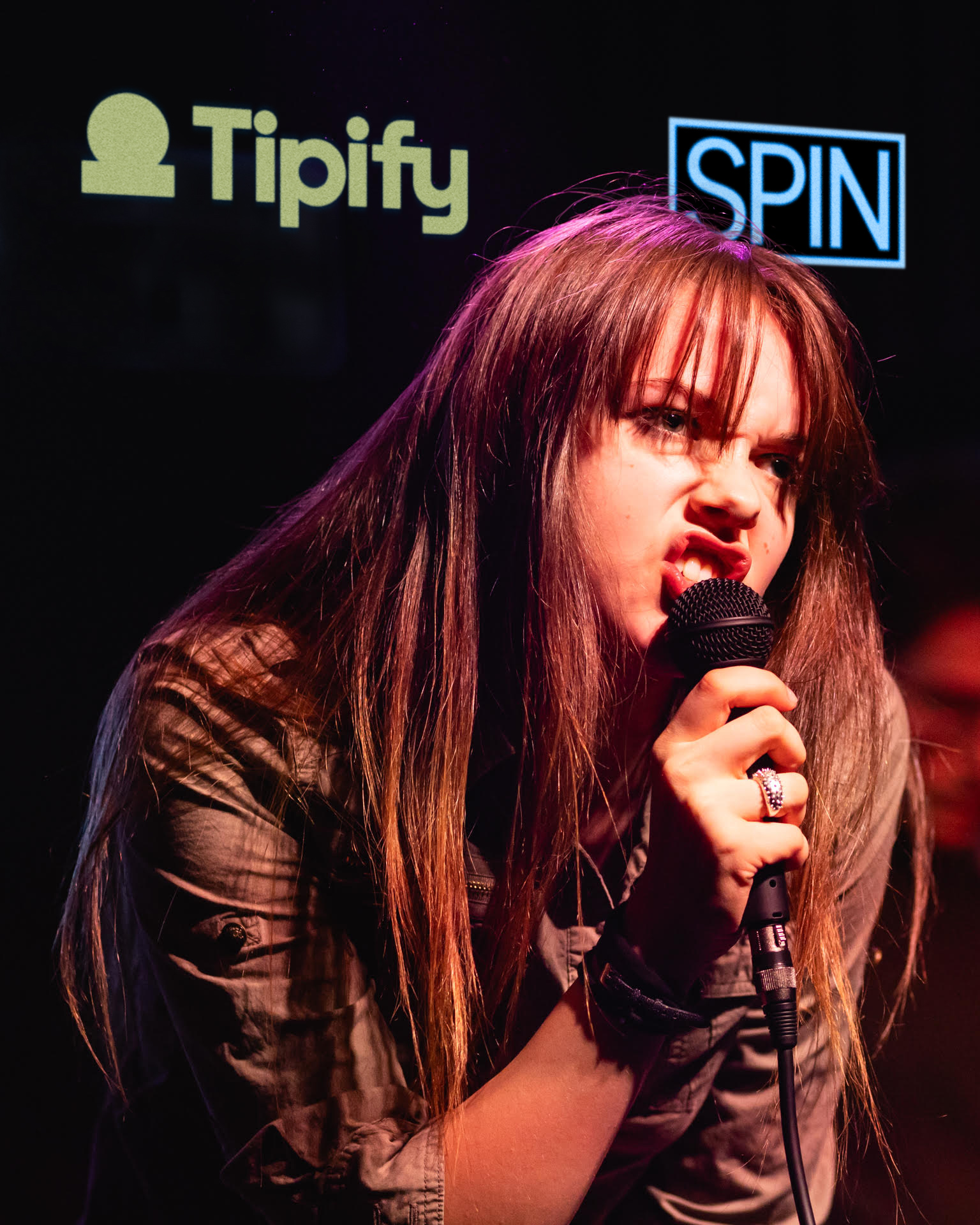
Blending modern grit with classic rock sensibilities, American Vanity commanded the room. Their presence was a testament to the high-caliber production currently brewing in the local indie scene—proof that “local” never means “small-time.” And Virginia Franks’s energy?? She, in her own right, rightfully commanded the stage. Kudos!
- The Sound: They specialize in what many call “Wall of Sound” indie rock. It’s dense, melodic, and intentionally gritty. They manage to sound like a stadium band even in an intimate showcase setting, which is a testament to their production value.
- The “Anti-Corporate” Vibe: Their music carries an inherent edge that feels very “Austin.” They represent the high-caliber professionalism of the local scene—the kind of band that makes visitors realize that the best music at SXSW isn’t found at the tech-brand activations, but in the dark rooms where local bands are actually playing.
Lyndsey Beaver
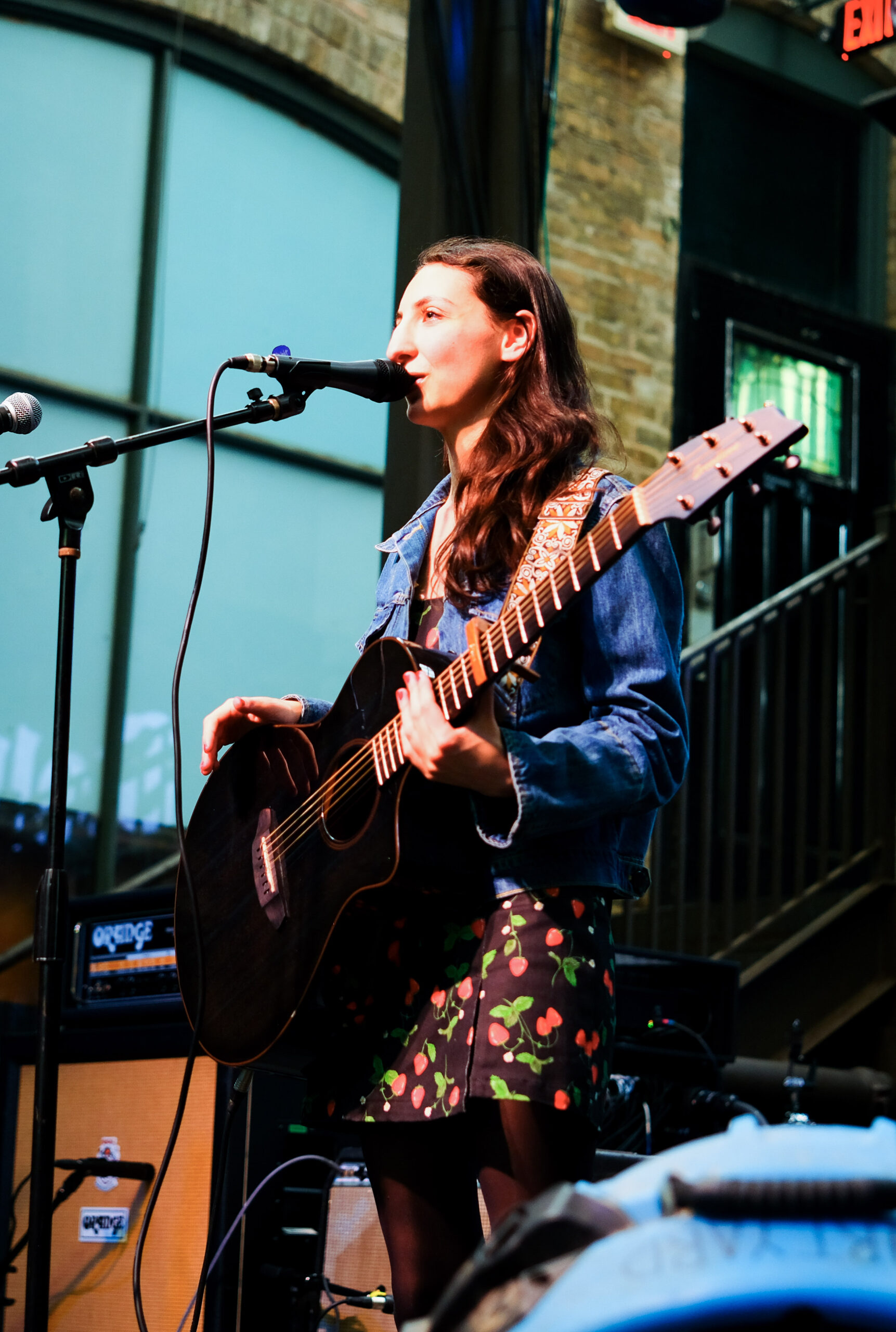
Now based in Austin, Lyndsey Beaver is a “powerhouse” who originally hails from Canada. She is rare in the industry as a stand-up drummer and lead vocalist. Her sound is a fiery cocktail of 1950s rock ‘n’ roll, blues, and soul.
Having shared stages with Gary Clark Jr. and Jimmie Vaughan, she’s a staple at local institutions like Antone’s and the Continental Club—making her the perfect “local hero” for the Road to Austin initiative.
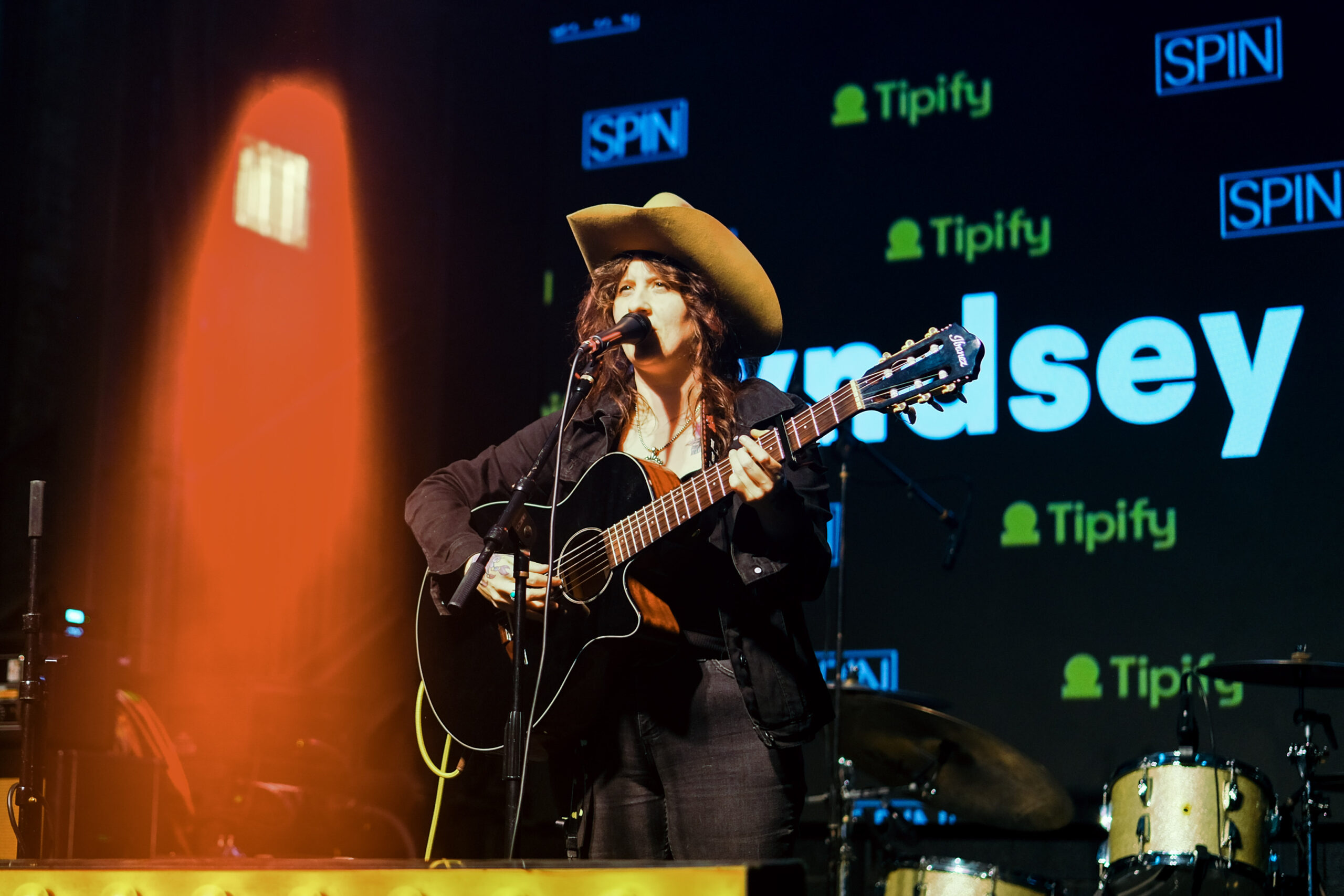
Truthfully, it is incredibly rare to see a musician handle lead vocals while playing a full drum kit standing up. This creates a physical presence that is impossible to ignore. She doesn’t hide behind the gear; she uses it as a pulpit.
And it’s for this exact reason she had no trouble cutting right through the corporate noise of the surrounding streets. She doesn’t use backing tracks or digital glitz—it’s just wood, skin, and soul. Her performance at the showcase was the “grounding wire” of the night.
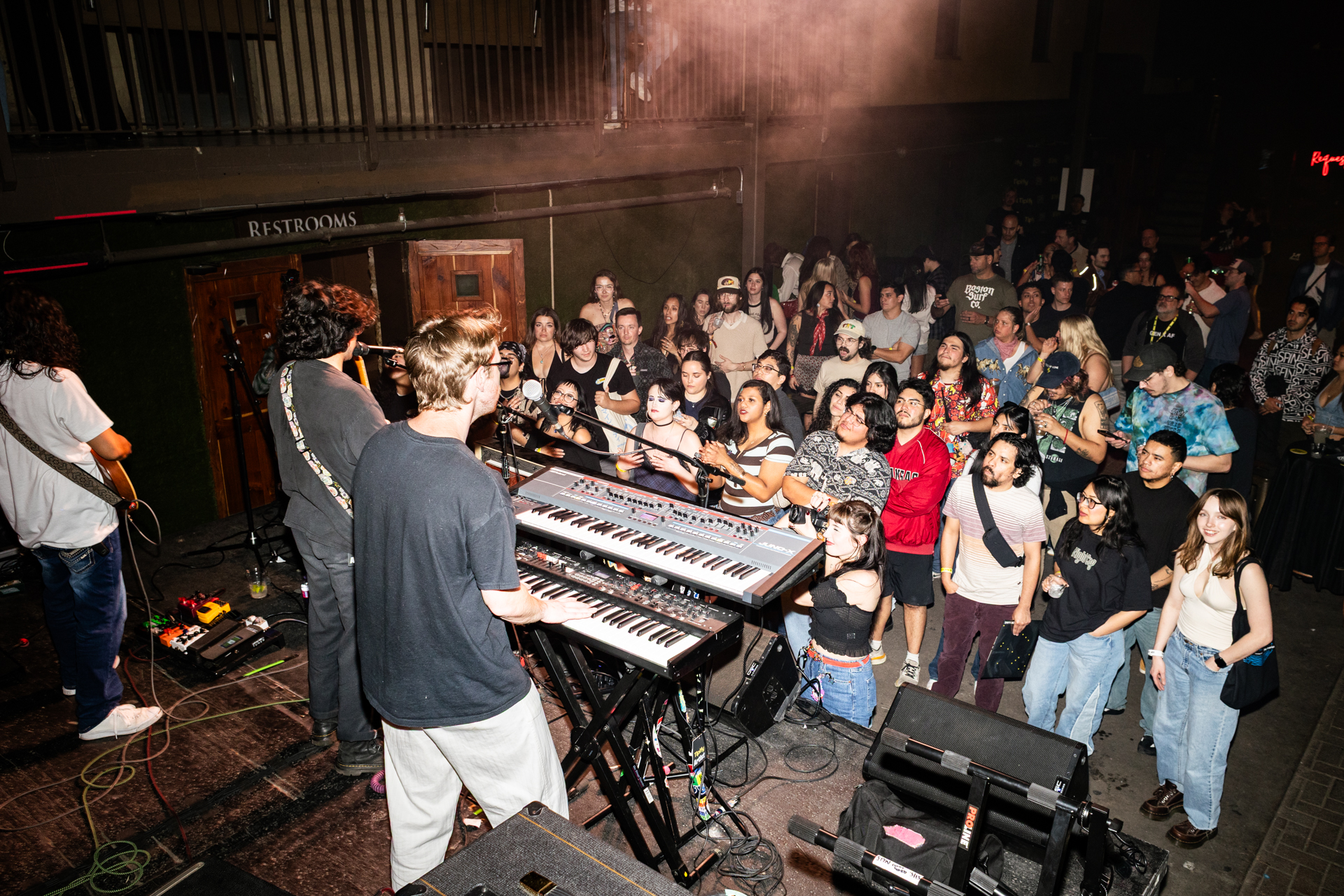
ICYMI: If Buddy Red provided the night’s heartbeat and Lyndsey Beaver provided its soul, American Vanity provided its teeth. Their set was a reminder that Austin’s local scene isn’t just a heritage act; it’s a living, breathing, and occasionally loud-as-hell evolution. Standing in the crowd as the ‘American Vanity’ sound filled the room, it was clear that the commercialization of the festival hasn’t diluted the quality of the art being made in the city’s own backyard—it has only sharpened it.
A Creative Director’s Manifesto: A Conversation with Danny Klein
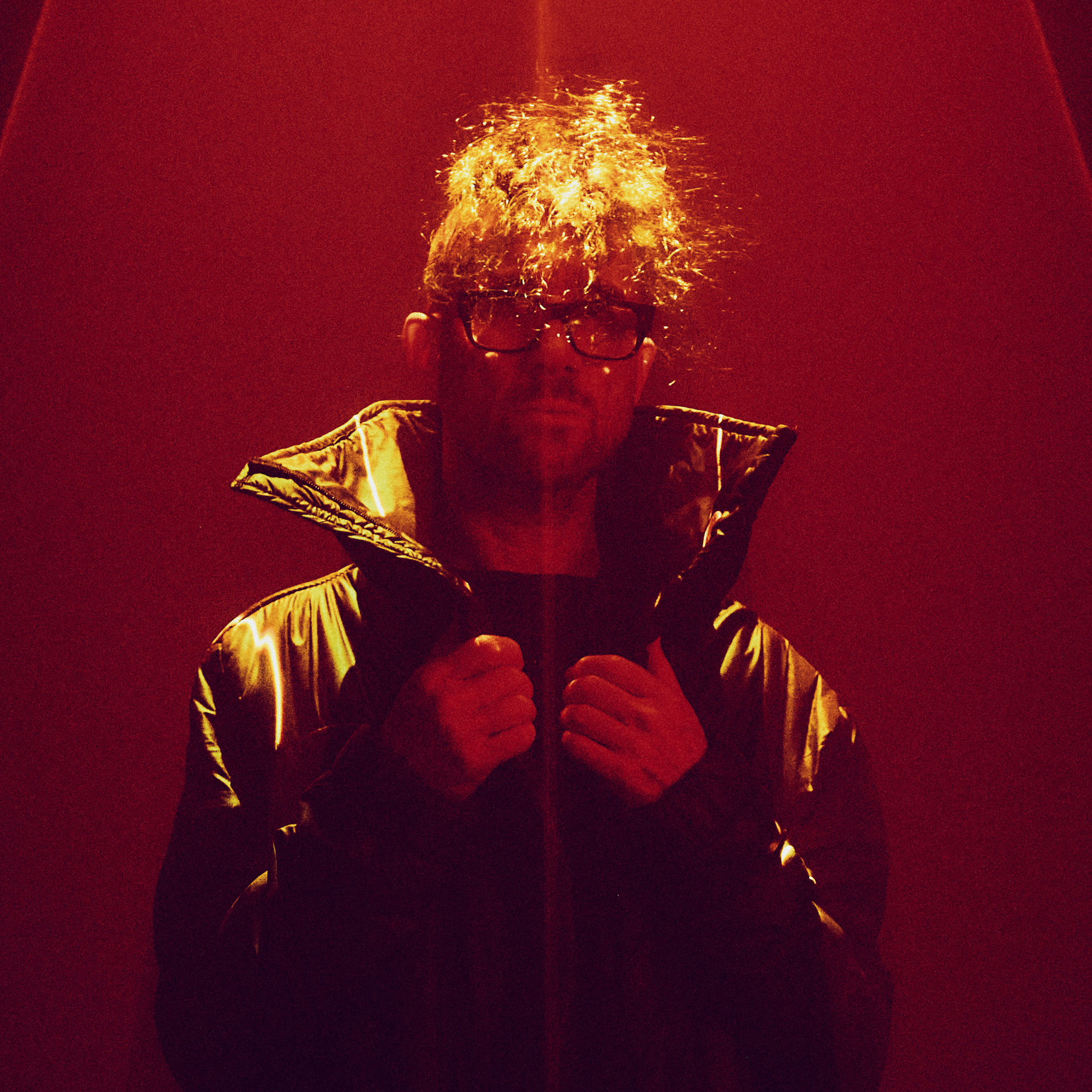
Behind this 2026 curation is Danny Klein, Spin Magazine’s Creative Director, and his “artist discovery ethos,” a philosophy and mission that has remained consistent since SPIN’s inception in 1985.
“We are always in search of new artists who bring a solid sense of truth and passion to their work, regardless of genre or the size of their following,” Klein told True Hollywood Talk.
From civil rights to creative direction
Klein’s journey to the helm of SPIN was not linear. It began in a civil rights course at UCLA, where he was inspired by how “the law could serve as a tool for good.” This led him to corporate law, a background that now serves as the backbone of his creative strategy, uniquely equipping him to manage this brand identity.
Having grown up in his father’s ad agency, Klein became familiar with Pantone books and storyboards from such a young age. He learned early about the power of and personality of branding and communications, which is why some of the appellate case work he did as a lawyer was “some of the most creative thinking and writing [he’d] ever done”.
But Klein’s background in law isn’t just a past life; it’s a structural tool. “Law teaches you to look at situations with a certain organizational discipline,” Klein explained. “Divide into issues, impact, import. Convey that into communication with conviction”. This discipline approach ensures that when SPIN launches a campaign, the tone and the feeling the audience walks away with are intentional.
Given our shared legal backgrounds, I could very much appreciate the ‘how’ and ‘why’ Klein’s path to this stage, similar to my own, was also unconventional. For Klein, pivoting from a corporate law firm to a creative role was both “terrifying and liberating,” but his legal training remains a “foundational tool” for launching and managing brands with integrity.
SPIN’s return to physicality
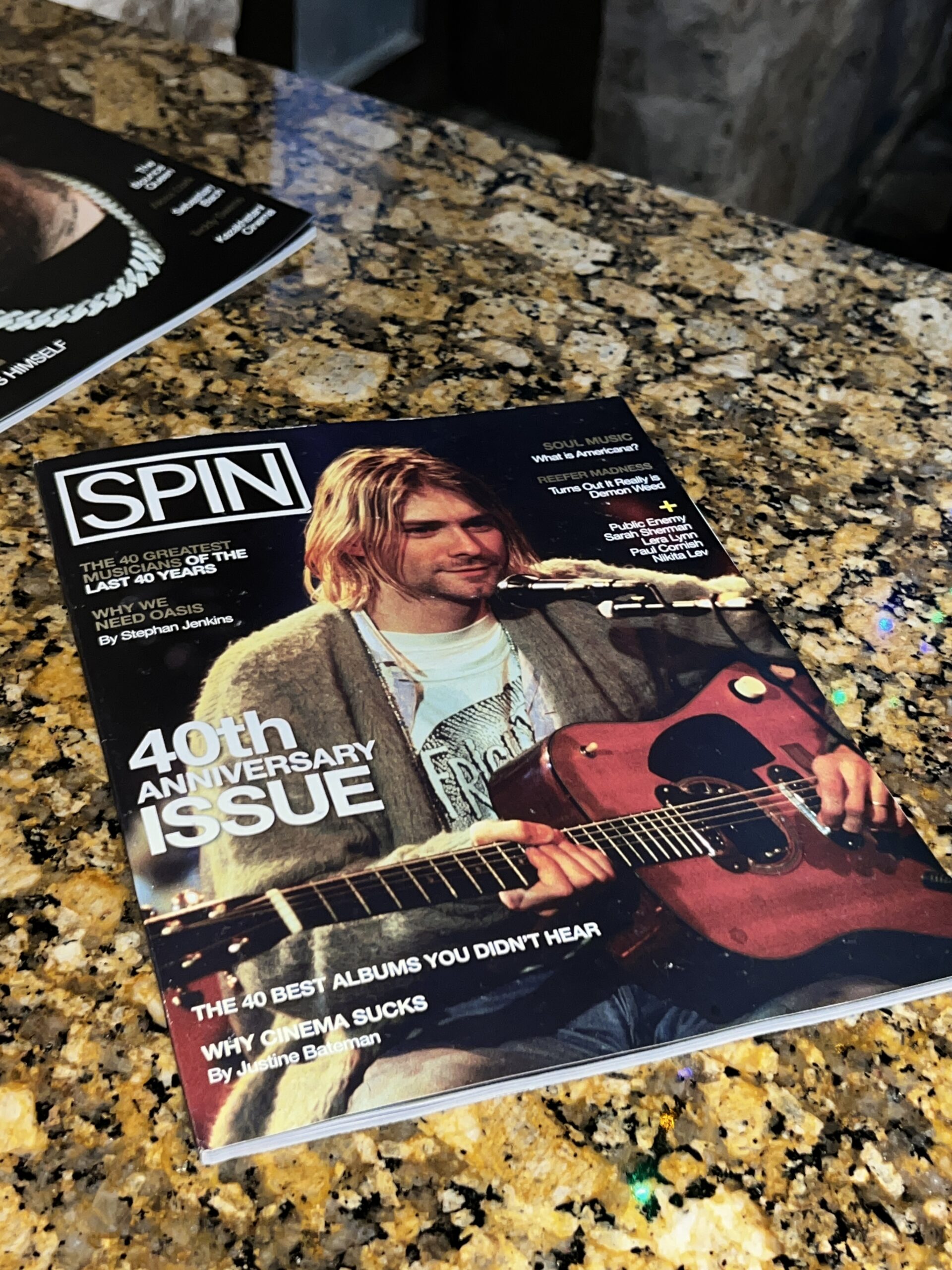
Under Klein’s direction, SPIN returned to print on a quarterly basis in 2024. Indeed, we are in a time of infinite digital scrolls, however, Klein argues for the power of the “physical object.” The physicality behind objects like magazines or vinyl records provide something digital cannot: permanence and finiteness.
“I think it forces the reader/listener to hold the work with more reverence and appreciation,” Klein said, contrasting it with the “millions of options” on digital platforms that can dilute the experience. “With digital, you can just jump to a million more options at a whim, which I think can dilute the experience of fully appreciating and digesting what’s in front of you.”
When building the creative around emerging artists, Klein focuses on what makes them unique–their songwriting, performance style, or image. By pouring resources into sound, lighting, and stage builds, the artist’s vision can translate without relying on “borrowed credibility.”
So, what does SPIN’s creative direction actually do for an emerging artist that they can’t necessarily do for themselves?
“Being an artist has always been about finding your tribe. The people who identify with you as a person, your message, and your music. By creative directing a campaign and/or event in a way that will best showcase artists’ true talent, it will inherently bring about more authenticity, thereby connecting deeper with the audience–whether that’s in the club or scrolling through the recap on social media. With that in mind, the artist is able to walk away with an expanded audience, not to mention a (hopefully) great experience that they can use to further build their career,” Klein answered.
Tipify’s Radical Polymathy
Tipify, which launched in November 2025, was created to strengthen the connection between emerging artists and the fans who genuinely believe in them, offering a direct way for listeners to support creative work beyond traditional streaming economics. The digital platform reflects a broader shift toward artist sustainability and community-driven support.
Mirroring the creative direction and philosophy that Mr. Klein has continued to advocate for and maintain, Tipify’s own leadership adds yet another unconventional twist to the idea that emerging artists should be able to walk away with an expanded audience.
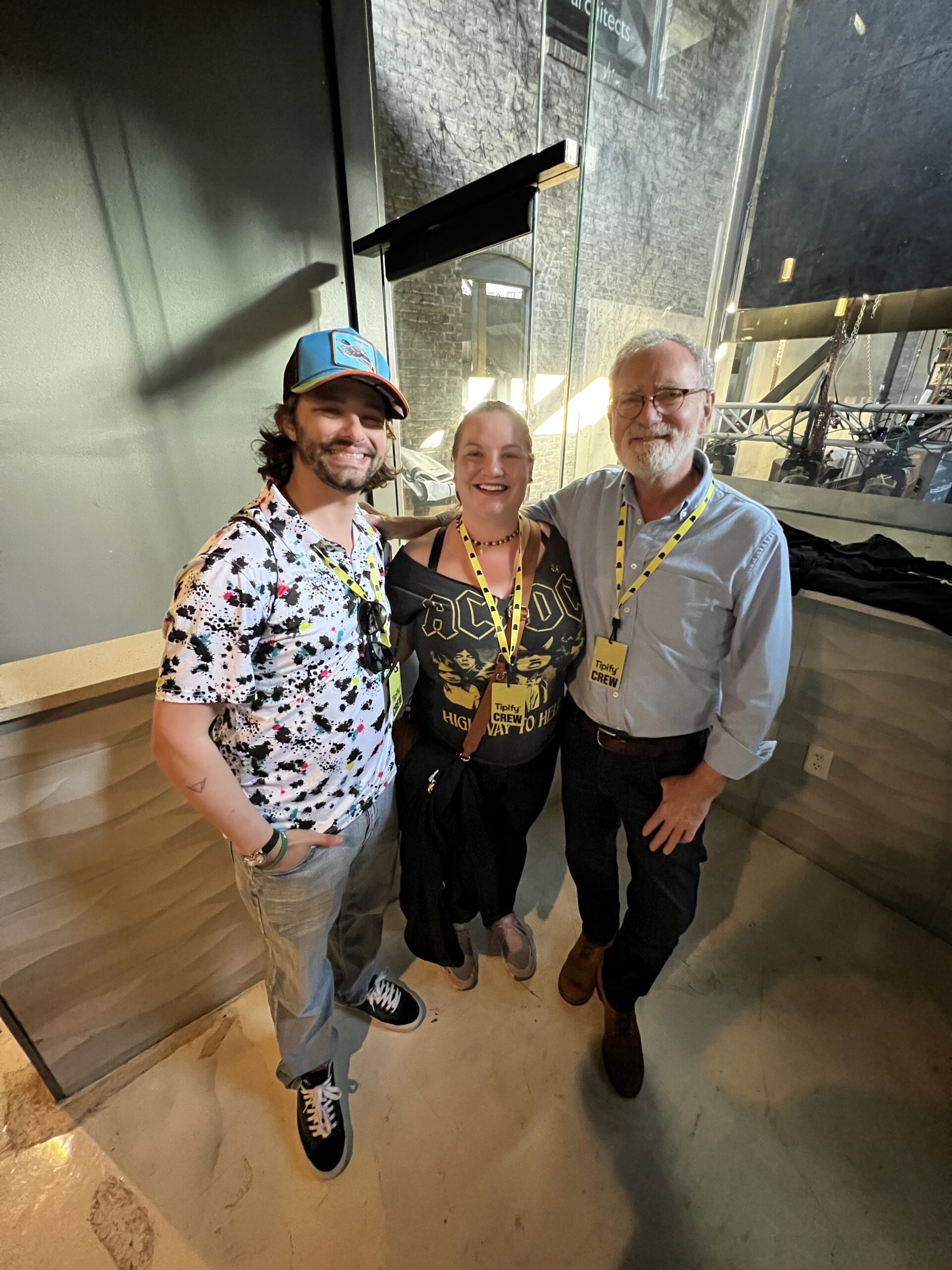
Meet Tipify’s Founder: Dr. Dan Carucci, MD, PhD
Meet Dan Carucci, MD, PhD, a physician and molecular biologist. He’s also the founder of Tipify, a music infrastructure designed purely around the artist–not the industry.
- Pedigree: Dr. Carucci is a physician, molecular biologist, former Navy flight surgeon, and former director of a $200 million Gates Foundation program.
- The “Yes” Philosophy: Dr. Carucci attributes his success to “doing things [he] really had no business doing” and applying the same rigor used to sequence the malaria genome to solving artist inequities.
What captured my attention right out of the gate, of course, was the radical polymathy Dr. Carucci’s impressive background makes both Tipify’s architecture and partnership with SPIN all the more natural:
“I was a flight surgeon in the Navy. I used to fly fighter jets. I ran the U.S.Navy’s malaria vaccine program. From there, I ran a $200 million program for the Bill and Melinda Gates Foundation. I also helped sequence the malaria genome,” Carucci humbly shared.
His background provides the “radical competence” required to tackle the music industry’s compliance and scaling issues–a type of mixology you almost rarely see in the same line of words. “I don’t shy away from big challenges as a person,” he added. “And I always say yes to things. And I do things that I really had no business doing often.”
What is Tipify?
In the SPIN x Tipify Lounge, the root of our conversation with Dr. Carucci was defined by a transition from high-stakes global health to a grassroots “fifth revenue stream” for artists.
Dr. Carucci identified four failing or flawed income streams for independent artists–streaming, touring, merch, and licensing–as he introduced his thesis proposing Tipify as the definitive fifth revenue stream.
He notes the inequity that while streaming provides a platform, it fails to provide a living. Even successful models like Patreon are critiques for “elevating expectations,” forcing artists to spend money creating extra content just to justify a subscription.
“Patreon requires subscriptions…the artists actually have to create, they have to spend money to create new content…everybody’s expectations are elevated. And our position is why do all of this? Why is it necessary?,” Carucci shared.
So, what is Tipify? Tipify is framed not as a content platform, but as “infrastructure” designed to funnel small, recurring amounts (e.g., $1/month) from millions of fans directly to artists.
The “love” metric
Dr. Carucci then shifted the focus from cold transactions to ’emotional currency’. “A dollar is a representation of the love you have for the music, for the band…we don’t necessarily measure the dollars. Dollars are just a tool to achieve the outcome,” he explained.
By being genre-agnostic and removing elevation algorithms, Carucci aims to let fans–not labels or managers–determine who rises to the top via “Tip Charts” (a Billboard 100 for supported artists). “It’s really about how fans can determine who rises to the top, who gets supported. It’s not driven by industry, it’s not driven by labels, it’s not driven by the managers. It’s driven by the fans who love the music.”
While many startups struggle with the “tactile” reality of moving money, Carucci’s team has prioritized the unglamorous work of global compliance.
“We’ve got a very firm compliance system,” Carucci touched upon. “I have gone kind of fearlessly through life…we’re going to figure it out.” According to Dr. Carucci, Tipify’s utilization of Plaid and Stripe is currently limited to the U.S., but he revealed that they recently were approved to expand to the UK, EU, Canada, Australia, Japan, and Brazil.
A beautiful partnership
SPIN’s collaboration with Tipify for The Road to Austin initiative was a central pillar of the musical showcase’s mission to support the “home team.” Klein views Tipify as a solution to the “distraction economy.”
“Tipify meets so many needs that have simply been unaddressed,” Klein explained. “Having a simple, clean, direct way to empower fans to discover and fuel artists’ journeys is profoundly important.” By making the donation process “quick and easy” on a phone, Tipify removes the friction that usually prevents fans from supporting emerging talent in real-time.
“From the very first conversation, it was clear that SPIN and Tipify are completely aligned in our values,” said Jimmy Hutcheson, CEO of SPIN. “We both care deeply about emerging and independent artists and about creating real opportunities for them to be seen, heard, and supported.” Hutcheson described the partnership as “feeling less like a collaboration and more like a shared mission.”
Authenticity as a design problem
Today, “authenticity” is often a hollow buzzword, Klein defines it through the legal lens of “integrity, truth, transparency and freedom.”
When asked how he builds a visual identity for an emerging artist without them looking like everyone else, his answer is simple: “It goes back to identifying what makes each artist stand out–if they’re true to their art, there will always be something to showcase.”
As both a recording artist and creative director, Klein undoubtedly carries the synergy with him at all times. But do these personas not also offer two very different relationships to the craft–where one is Klein’s completely, the other, in service of multiple creatives’ vision?
“Making music and performing has been part of my identity since I was three years old. I have vivid memories of singing and writing very simple lyrics at that early age. That feeling never left,” he shared. “At SPIN, I’m able to work with some of the most successful artists in the world and I feel privileged to be able to use my ongoing experience in music production and performance to better understand where artists are coming from. From the studio, to touring, to brand identity, I’m able to speak and feel their language. I think in the end, it makes for deeper, more honest storytelling,” Klein added.
Speaking to these dual personas, Klein’s response was both humbling and refreshing:
“Rather than allowing the two sides to colonize each other, I stick to making sure I’m fulfilling my role and obligation towards SPIN as the gospel, when working on SPIN-related projects. I don’t get starstruck or moved by stardom, and my only motivation is to serve the SPIN brand,” he emphasized.
Klein continued “[w]hen I’m working on my music as Robot Sunrise, I’m floating in my own independent universe, with no allegiance to anything or anyone by my artist path. That is my gold, my crustal. That energy is what fuels me as a person, and ironically, propels my passion to work on projects like SPIN. I truly love supporting other artists and seeing them expand. It feels good to help lift the artist community in that way–like, these are my people and we all share a common mission to lift humanity through music.”
The SPIN x Tipify showcase wasn’t just another party; it was a high-production “vibe check.” By investing in top-tier sound, lighting, and stage builds, the event allowed artists like Buddy Red, Lyndsey Beaver, and American Vanity, to name a few, to translate their vision without compromise. For Klein, that means “pouring everything [they] have into making sure the artists can best convey their vision…making sure [they] leave nothing on the table. With all of those tools in play, the artist can shine and their unique traits can translate.”
Showcases that prioritize raw talent certainly validates the year-round struggle and hustle of independent artists, further suggesting that the spirit of “old Austin” can coexist with the global stage–if event organizers are intentional enough to invite the local neighbors in.
In conclusion
As the SXSW festival continues to (unfortunately) grow more commercial, Klein’s approach seems to offer a realistic blueprint for the future. His advice to his younger self sitting in law school?
“Don’t change a thing about the journey and don’t look back.” For the Austin music scene, that journey is exactly what was needed this year to keep the festival’s soul intact.
Thank you to Dr. Dan Carucci and Dan Klein for taking the time to speak with us during the SPIN x Tipify showcase, Road to Austin, during this year’s SXSW 2026 in Austin, Texas. A special shout-out to Juice Consulting’s Madison Snelling for helping facilitate these conversations.
You can find SPIN Magazine at your local Barnes & Noble, Hudson News and hundreds of independent record, book and magazine shops throughout the United States.
READ MORE: “OKAN and the Radical Act of ‘Showing Up‘”, “What Endures: A Night With Alanis Morissette, Ella Langley, and St. Vincent at Spotify’s 20th Anniversary“
Andrew Rossow is the Austin Managing Editor for True Hollywood Talk, where he covers the intersection of live entertainment, emerging technology, and pop culture through a legal and human-centric lens. A public affairs attorney and brand strategist, Andrew brings investigative rigor to high-impact stories across arts and entertainment, motorsports, consumer brands, and the Austin cultural scene — giving voice to the people and ideas behind the industry.
He is also the Founder and CEO of AR Media, a global brand impact consulting firm based in Austin, helping public figures and consumer brands build resilient digital identities and navigate the modern media landscape.
Follow him at @cyberguyesq.