

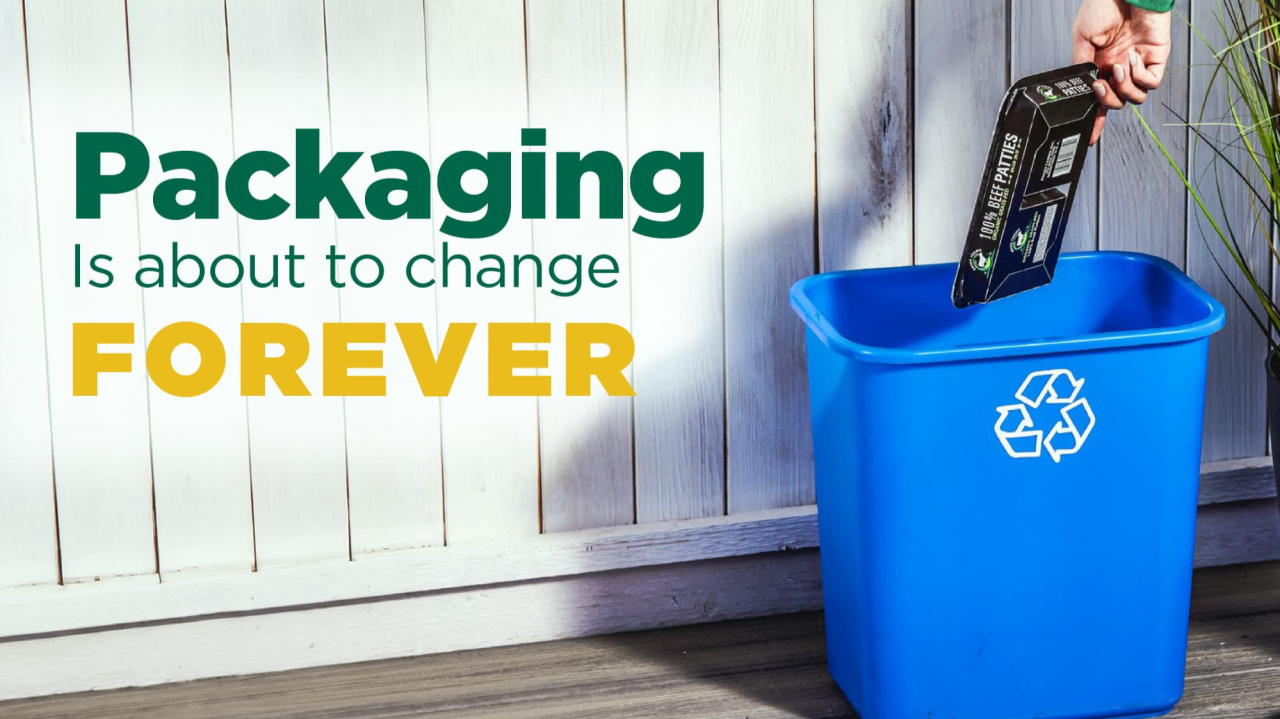
Packaging in the EU is about to change forever. By 2030 all packaging in the European Union must be designed for recycling. Single use plastic started to raise concerns in the early 2010s, warnings of missed recycling targets. In the year 2022, the European Commission suggested Packaging and Packaging Waste Regulation (PPWR.) a sweeping regulation that replaced the PPWD regulation from 1994. The PPWR is aimed at preventing and reducing packaging waste, and improving overall packaging recyclability and recycling.
In 2025, the PPWR goes into effect, and shortly after development of secondary legislation starts. In 2028 standardized, mandatory labels for waste sorting on all waste receptacles and consumer packaging begins. By 2030 all packaging on the EU market must meet DfR criteria, (Design for Recycling.)
2030 will see a change in recyclability performance grades. Grade A 95% recyclable, grade B 80% recyclable, grade C 70% recyclable, and anything below 70% is technically non-recyclable. Assessment of recyclability per unit, in terms of weight. DfR rules to be defined through delegation acts by 2028.
Paperboard is the material that will define this era of sustainability in recycling. Because of its unique fibers, paperboard can be recycled up to 10 times, sometimes more. The paperboard life cycle is simple. After the raw materials are transported to the paperboard mills, the materials are crafted and delivered to retailers and brands alike. Once the consumer is done with the paperboard packaging they recycle it and the process starts over again. 87% of paperboard is recycled in the EU compared to only 42% of plastic.
Paperboard is outperforming plastic time and time again. Single use plastic will face restrictions in the coming years, items such as multipack drinks and fresh fruit containers will see restrictions. By 2035, all packaging in the EU must be recycled at scale. By 2038 all packaging in the EU must meet stricter criteria for recyclability.