

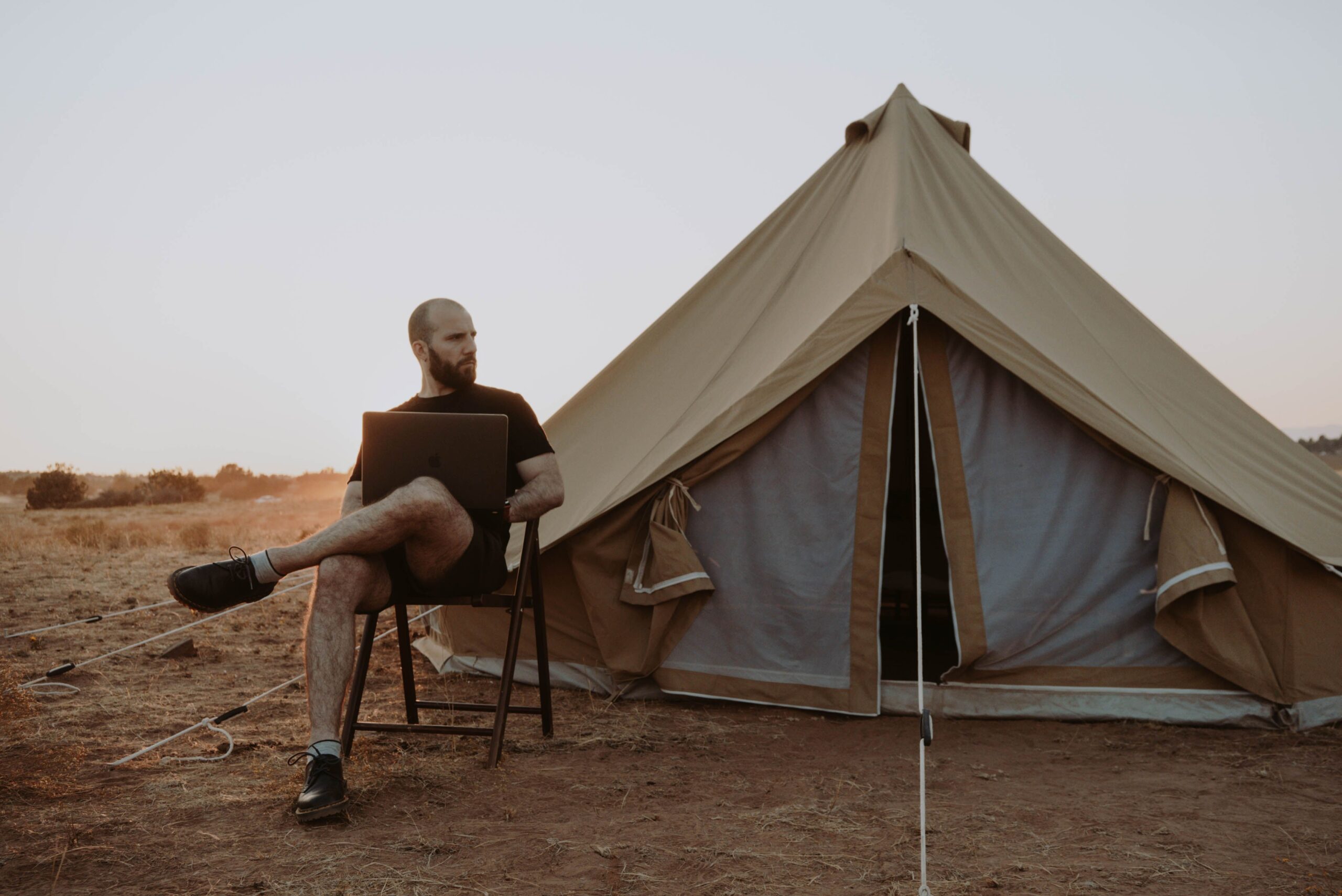
When you sit down to watch a film set deep in the wilderness, you want to feel transported. Whether the characters are climbing a snow-capped peak, surviving a post-apocalyptic wasteland, or just enjoying a weekend camping trip that goes delightfully wrong, the environment has to feel completely real. While actors and scripts drive the story, it’s the set designers who build the world.
Creating an authentic campsite on screen requires meticulous attention to detail, and one of the most critical elements in their toolkit is the material used for tents, tarps, and gear. When production crews need to construct a rugged basecamp or a believable wilderness shelter, they rely on versatile outdoor fabric to make the scene believable. From historical canvas tents to futuristic expedition domes, the textiles used on set do much more than just sit in the background. They help tell the story, interact with the lighting, and withstand the unpredictable nature of on-location filming. Let’s take a closer look at how these specialized materials shape our favorite outdoor movies.
The Quest for Historical Authenticity
When a director sets a film in the 1800s or during the early days of mountaineering, modern synthetic materials simply won’t work. If a character from the Gold Rush era steps out of a bright orange nylon dome tent, the audience’s suspension of disbelief shatters instantly. For historical epics, set decorators seek out thick cotton canvas, waxed twill, and traditional wool.
These materials provide the exact texture and drape needed to recreate the past. However, a brand-new roll of pristine canvas doesn’t look like it has survived months on a dusty trail. Scenic artists spend hours distressing these textiles. They dye them, wash them with stones, sand down the edges, and even use blowtorches to create a weathered, lived-in appearance. Because traditional canvas is inherently sturdy, it can handle this extreme aging process without falling apart before the cameras roll. The resulting shelters look incredibly authentic, grounding the actors in a realistic historical setting.
Shaping Light and Shadow
In the world of cinematography, lighting is everything. The materials used on a set are carefully chosen for how they interact with the camera lens. A tent isn’t just a prop; it often acts as a giant, functional light diffuser. When a scene calls for characters to share a quiet conversation inside a tent at night, the director usually wants a warm, glowing effect.
The type of textile dictates how that light behaves. A thin, translucent nylon might let too much of a harsh production light through, blowing out the shot. A densely woven synthetic might block the light entirely, making the interior too dark to film. Set designers test various fabrics to find the perfect balance. They look for materials that catch the glow of a lantern beautifully, casting interesting shadows on the walls while illuminating the actors’ faces perfectly. The texture of the weave also matters. A slightly textured surface diffuses light more softly than a perfectly smooth, glossy one, creating a much more cinematic atmosphere.
Withstanding Real-World Elements
While some camping scenes are filmed on climate-controlled soundstages, many productions venture out into the actual wilderness to capture sweeping landscapes and natural lighting. Filming on location means dealing with real-world weather. A movie shoot can last for months, and the set pieces remain outside the entire time, exposed to rain, wind, and harsh sunlight.
If a production team uses cheap materials for their basecamp set, those props will rip, fade, and degrade before filming wraps. Continuity is vital in movies. A tent can’t look bright and pristine in a scene filmed on Monday, and then look shredded and sun-faded in a scene filmed on Tuesday that is supposed to take place on the same day in the story. Using durable, weather-resistant materials ensures the set remains completely consistent from the first day of shooting to the final wrap. The fabrics must endure the same rugged conditions as actual camping gear, proving their worth both on and off the screen.
Crafting the Illusion of Survival
Survival films present a unique challenge for set designers. The shelters in these movies shouldn’t look like they were purchased from a high-end sporting goods store. They need to look improvised, desperate, and pieced together from whatever the characters could scavenge.
To achieve this, designers often rely on versatile materials like ripstop nylon, uncoated parachute silk, and standard utility tarps. The beauty of these textiles lies in their ability to be torn, stitched back together haphazardly, and stretched awkwardly across tree branches. Ripstop nylon is particularly useful because the reinforced grid woven into the material prevents a small, intentional tear from expanding into a giant hole. This allows the art department to create a shelter that looks precarious and damaged, yet remains structurally sound enough for the actors to interact with during multiple takes.
Designing the Future of Exploration
On the opposite end of the spectrum are science fiction films that feature futuristic expeditions to alien planets or deep-space wilderness environments. For these movies, canvas and traditional tarps are tossed aside in favor of cutting-edge aesthetics. Set designers look for high-performance synthetics, metallic-coated nylons, and ultra-smooth laminated textiles.
These fabrics help create the illusion of advanced technology. A dome tent made from a silver, reflective material suggests thermal regulation and radiation protection, instantly telling the audience that the characters are facing an extreme, otherworldly environment. The way these sleek materials stretch taut over a rigid frame provides a sharp, clean silhouette that looks inherently modern.
The next time you watch a movie featuring a camping trip, a mountain expedition, or a survival scenario, take a moment to look closely at the shelters and gear. The textiles you see are never chosen by accident. From reflecting light perfectly to surviving grueling location shoots, specialized materials are essential tools for cinematic storytelling. They help build the immersive, believable worlds that keep us captivated from the opening scene to the closing credits.