

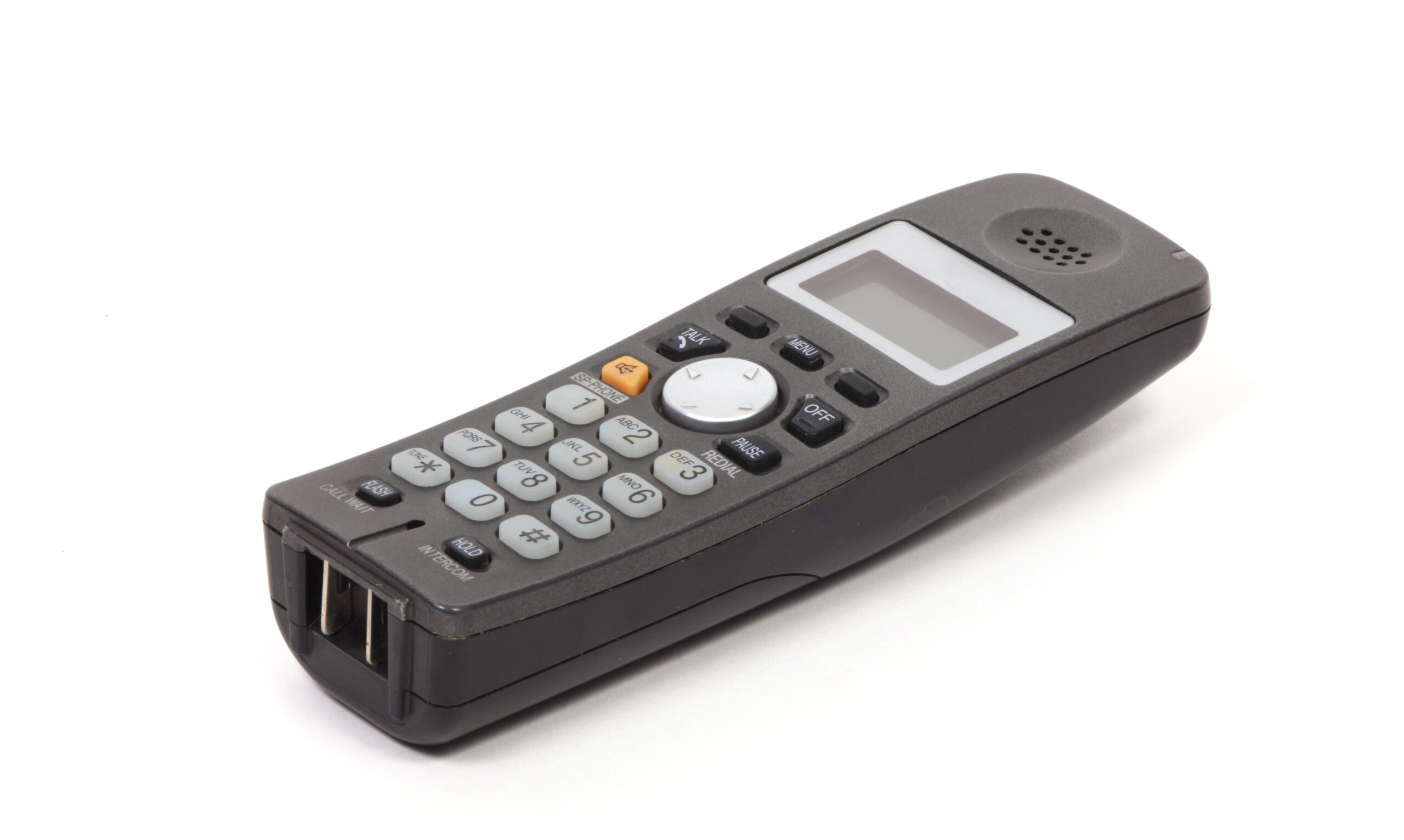
A working film set is a whirlwind of moving parts. You have lighting crews adjusting rigs, wardrobe assistants running across the backlot, and assistant directors trying to keep everything on a strict schedule. If communication breaks down, the entire production grinds to a halt. While traditional walkie-talkies are the industry standard, they often suffer from crowded channels and dead zones. To solve this, production managers are increasingly turning to a surprisingly simple alternative. Giving key crew members dedicated devices loaded with prepaid phone minutes solves a multitude of logistical headaches. It keeps everyone connected without tying up the main radio channels. Let’s look at why relying on these cellular devices is a brilliant strategy for keeping your next film or commercial production running smoothly.
Controlling the Production Budget
Independent films and big studio projects share one common trait. They are always trying to keep the budget under strict control. When you rely on traditional cell phone contracts for your crew, you open the door to unpredictable costs. If you are shooting on location in a different country or a rural area, roaming charges can destroy a line item in a matter of days.
Prepaid devices offer total financial predictability. The production office knows exactly how much they are spending on communication upfront. Once the balance is used, they simply reload the exact amount needed. There are no surprise fees at the end of the month, no long-term contracts to cancel when the shoot wraps, and no hidden data charges from crew members using company phones for personal reasons. This clear pricing allows producers to allocate their funds exactly where they belong, which is on the screen.
Protecting Cast and Crew Privacy
A standard daily call sheet lists the contact information for dozens of people. From the lead actors to the background extras, everyone needs to know how to reach the right department head. However, broadcasting personal cell phone numbers to an entire crew is a privacy concern. High-profile actors and department heads don’t want their private numbers floating around a film set, where a misplaced call sheet could easily land in the wrong hands.
Handing out prepaid devices solves this privacy issue instantly. You assign a temporary number to the role rather than the person. The script supervisor gets one device, the transportation captain gets another, and the lead talent gets a direct line to their handler. When the production wraps, the numbers are deactivated. The crew gets to maintain their personal privacy while remaining totally accessible during working hours.
Clearing Up the Walkie-Talkie Channels
Walkie-talkies are essential for calling the roll and shouting out general announcements, but they are terrible for nuanced conversations. If the director of photography needs to have a five-minute technical discussion with the gaffer about an upcoming lighting setup, they cannot tie up channel one. Doing so blocks everyone else from calling out important safety cues.
Prepaid phones provide a secondary, private communication network. Department heads can call each other directly to discuss complex logistics without broadcasting their conversation to the entire crew. If makeup needs to tell wardrobe about a fake blood stain, they can just make a quick phone call. This keeps the primary radio channels clear for the assistant directors to run the floor, resulting in a much quieter, more organized working environment.
Surviving the Elements
Making a movie is a physical job. Crews work in the pouring rain, the freezing snow, and the blistering heat. People drop things from scaffolding, trip over thick power cables, and occasionally drop equipment into puddles. Bringing a thousand-dollar personal smartphone into this chaotic environment is incredibly risky.
Basic prepaid cell phones are typically built to take a beating. They don’t have delicate glass touchscreens that shatter the moment they hit the concrete. If a production assistant accidentally drops a cheap prepaid device into a river while setting up a shot, it isn’t a catastrophe. The production coordinator can simply buy a replacement unit at the nearest store, transfer the account, and have the crew member back online in an hour. This low-stress replacement policy takes the anxiety out of communicating in unpredictable outdoor environments.
Unmatched Battery Reliability
A standard shooting day lasts a minimum of twelve to fourteen hours. Modern smartphones struggle to make it through a single afternoon, especially if they are searching for a weak signal in a remote location. A dead battery on set means a crew member is suddenly unreachable, which can delay a shot and cost the production thousands of dollars in overtime.
Many simple prepaid phones are designed strictly for basic calling and texting, meaning they aren’t draining power on background apps or high-definition screens. A basic handset can often last for days on a single charge. This reliability is vital when you are shooting on a remote mountain road or in an abandoned warehouse where wall outlets are scarce. The crew can trust that their phone will ring when they are needed for the final shot.
Streamlining the Production
Successfully wrapping a film requires more than just good lighting and great acting. It requires intense organization. Every department has to talk to each other seamlessly. By stepping away from personal smartphones and equipping your team with dedicated, temporary devices, you solve the biggest logistical hurdles of the day. You protect the budget from roaming fees, you keep personal data private, and you clear up the noisy radio channels. It’s a simple, cost-effective upgrade that allows your entire crew to communicate clearly, stay focused, and do their best work from the first slate to the final cut.