
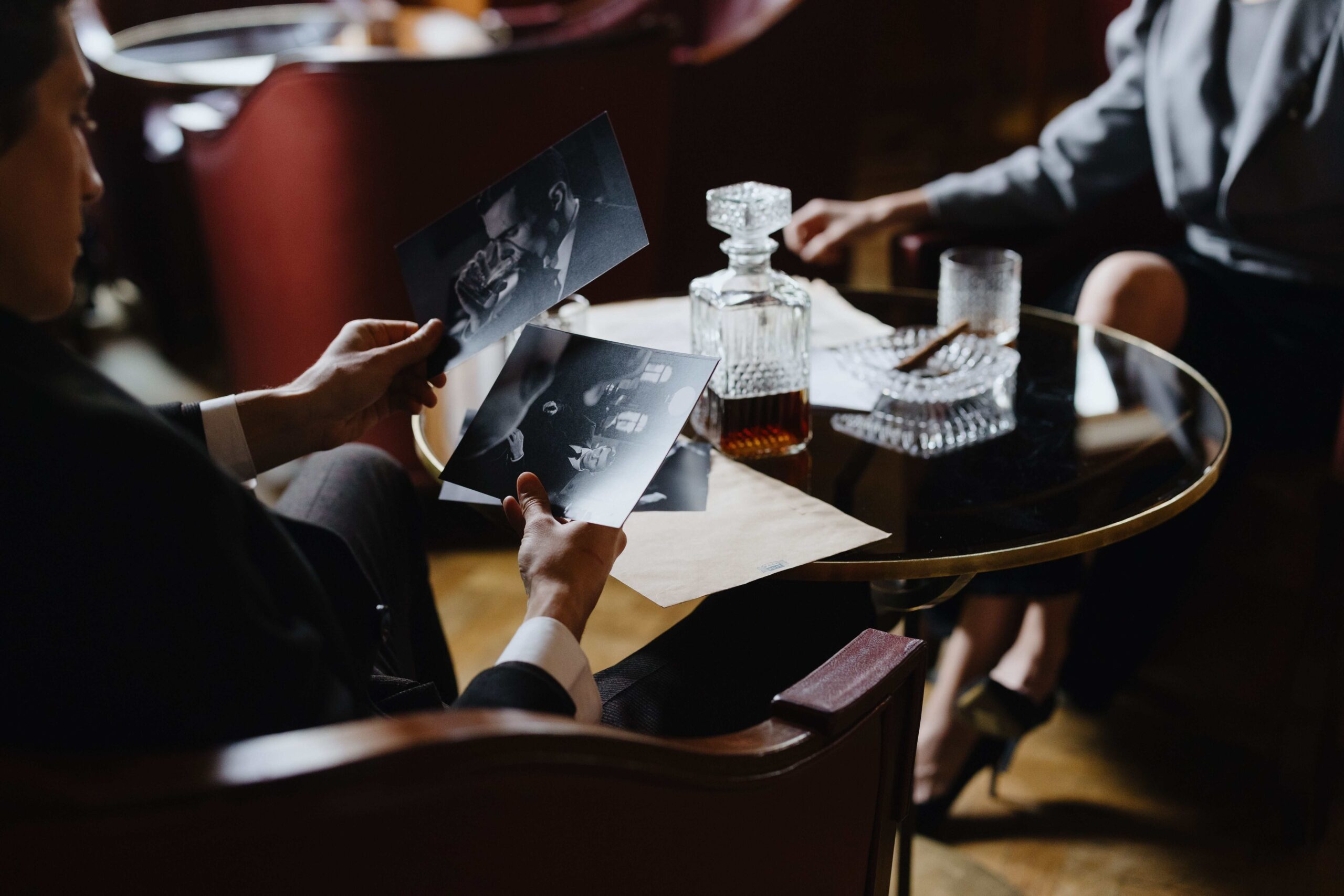
When you think of classic cinema, certain images immediately come to mind. You picture the sharp suits, the dramatic lighting, and the iconic characters confidently holding a glowing cigar. From wealthy business tycoons planning their next corporate takeover to victorious heroes celebrating a hard-won battle, a well-placed cigar serves as a powerful storytelling tool. It instantly communicates authority, relaxation, and sophistication without the actor having to speak a single word. However, capturing that perfect, cinematic puff involves a lot more than simply handing an actor a lighter.
Creating these memorable moments requires precise coordination between the props department, the camera crew, and the script supervisors. While you might enjoy browsing for cheap cigars to relax with on the weekend, the ones used on a Hollywood soundstage undergo a fascinating level of scrutiny. Let’s pull back the curtain and explore exactly how television shows and movies film these iconic smoking scenes.
Managing the Burn and Continuity
One of the biggest challenges of filming any scene is maintaining continuity. Movies are rarely shot in chronological order, and a single two-minute conversation between characters might take ten hours to film from various angles. If an actor lights up at the beginning of a scene, the prop master has to ensure the ash and the burn line match perfectly in every single take.
To accomplish this, the props department creates a highly detailed timeline. They prepare dozens of identical props cut to varying lengths. If the director wants to reshoot a close-up that happens halfway through the conversation, the prop master swaps the current prop for one that is precisely half-burned. They even carefully recreate the ash on the tip so it matches the previous wide shot. This meticulous attention to detail ensures the audience stays completely immersed in the story instead of getting distracted by an instantly regenerating prop.
The Magic of Herbal Alternatives
Filming a scene often requires an actor to puff repeatedly for hours on end. To ensure the performers stay comfortable during these marathon shooting days, prop masters frequently rely on herbal alternatives. These specially crafted props look identical to traditional tobacco products on the outside, featuring genuine wrappers and realistic shapes.
Inside, they are filled with mild, nicotine-free herbal blends like chamomile, rose petals, and marshmallow leaves. This allows the actors to perform naturally, take after take, without experiencing fatigue or discomfort. The art department works closely with specialized suppliers who custom-roll these herbal substitutes to match the exact aesthetic required by the production, whether it calls for a sleek modern profile or a rustic, historically accurate shape.
Sculpting the Light
Cinematographers love working with smoke because it adds incredible texture and depth to a scene. However, smoke is notoriously difficult to capture on film. If you just point a camera at a lit prop in a brightly lit room, the smoke practically disappears. To make the plumes look thick and cinematic, lighting directors employ a technique called backlighting.
By placing a strong, focused light source behind the actor and angling it toward the camera, the light catches the individual particles in the air. This backlighting makes the smoke pop against the background, creating those beautiful, swirling patterns you see on the big screen. The director of photography will often ask the actor to blow the smoke in a very specific direction to catch the light perfectly, turning a simple exhale into a visually stunning piece of art.
Perfecting the Performance
Looking natural on camera is a skill that takes years to master. When a script calls for a character to enjoy a fine smoke, the actor spends a significant amount of time practicing their technique. Holding the prop correctly, knowing when to ash it, and timing their puffs to punctuate their dialogue requires careful choreography.
An experienced actor uses the prop as an extension of their character. A nervous informant might take quick, short puffs, while a confident CEO might take long, slow draws, using the pauses to control the pacing of the conversation. Coaches sometimes work with performers to help them find the right rhythm, ensuring the physical actions feel completely authentic and aligned with the character’s personality.
Enhancing the Atmosphere with Special Effects
Sometimes, the physical prop alone doesn’t produce quite enough visual drama for a highly stylized scene. In these instances, the special effects department steps in to lend a hand. They might use small, hidden atmospheric machines to add a faint layer of background haze to the entire room, which helps the camera pick up the practical smoke more clearly.
In modern post-production, visual effects artists can even enhance the glow of the cherry. If the lighting on set washed out the red ember during a crucial dramatic moment, a digital artist can go in and brighten that specific pixel area to ensure it stands out. They can also add subtle wisps of digital smoke trailing up from the ashtray to maintain the mood while the actors deliver their lines.
The Final Take
The next time you watch your favorite character sit back and enjoy a celebratory smoke on screen, you will know just how much effort went into crafting that single moment. It takes an entire crew of dedicated professionals working in perfect harmony to capture that effortless aesthetic. From the prop masters meticulously matching ash lengths to the lighting directors sculpting the air with backlights, every detail is carefully orchestrated. It is a brilliant example of how movie magic brings our favorite stories to life, turning simple actions into unforgettable pieces of cinematic history.